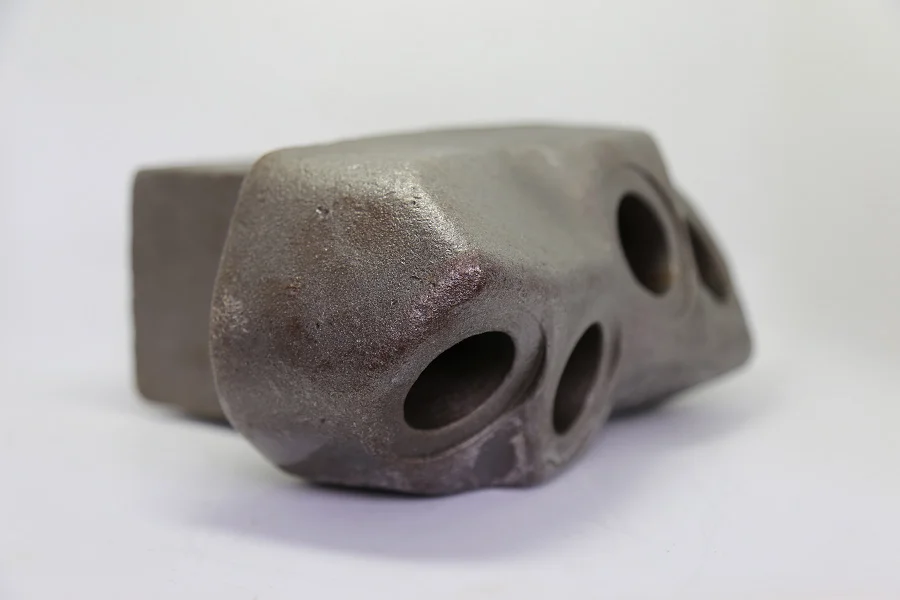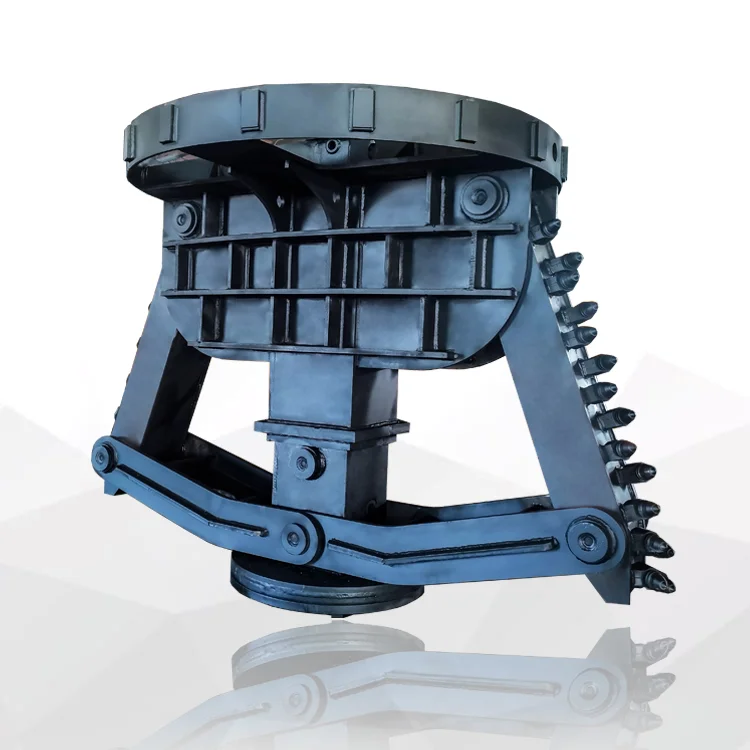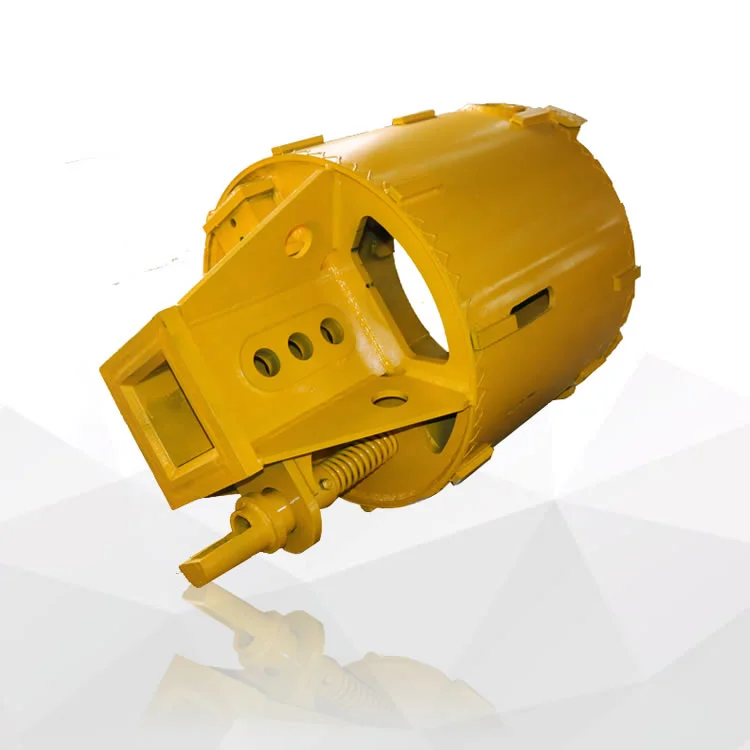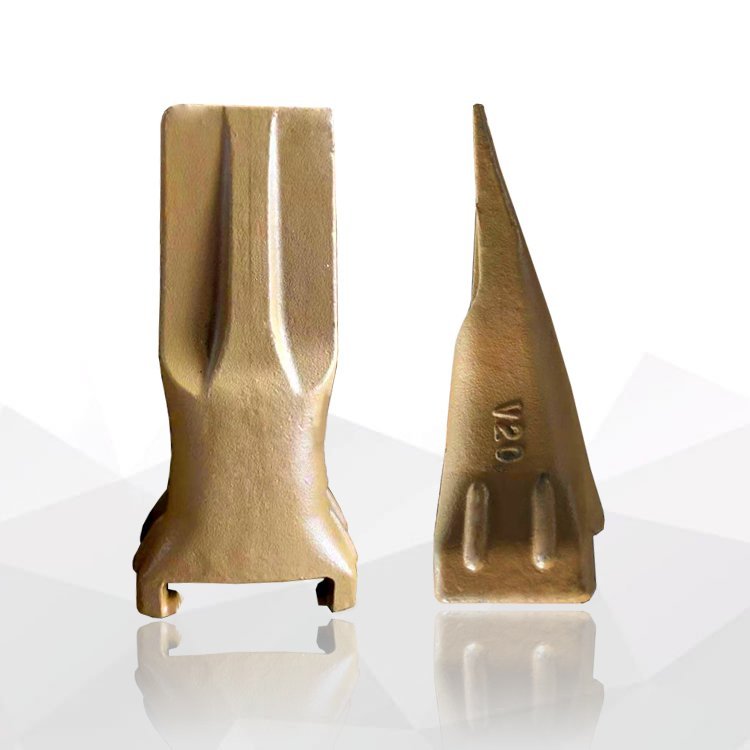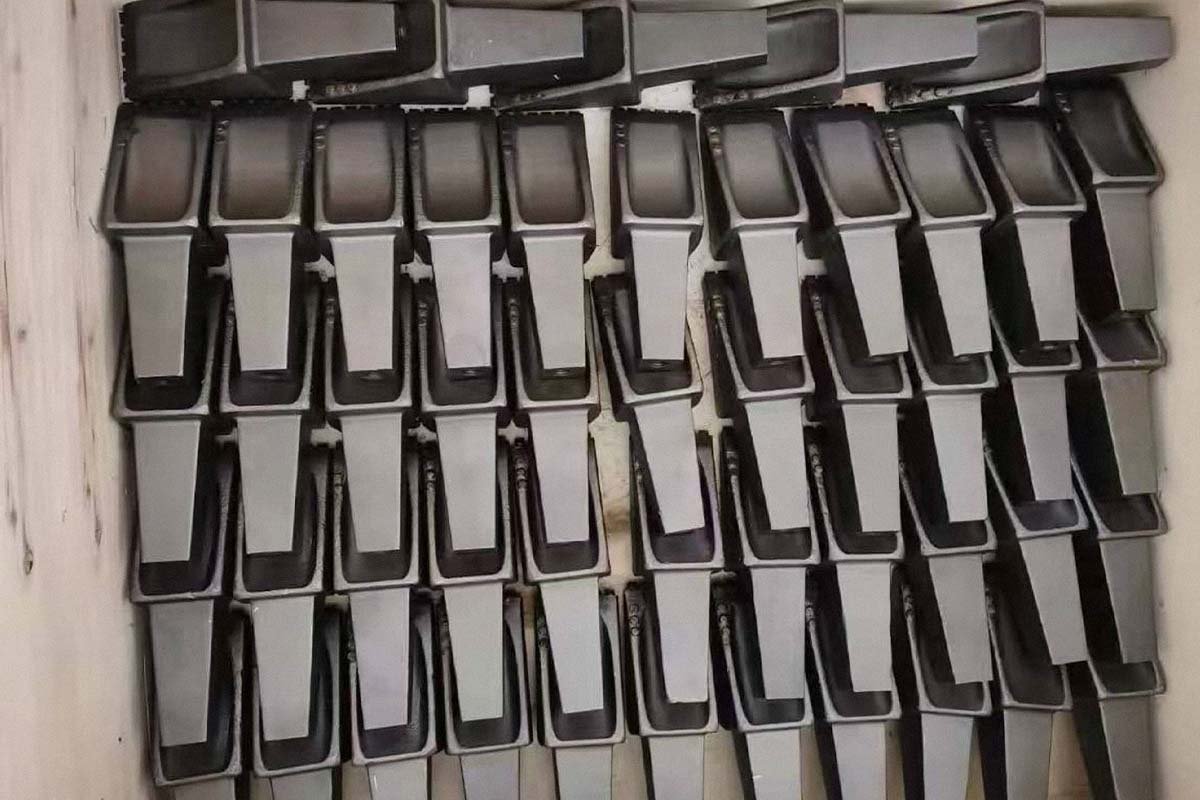
An HDD crossing looks simple from the ground. A rig, a drill head, a pipe going under a river or a road. Under the ground it is a sequence of decisions about which tool goes in next, and the wrong one stops the whole job.
The four tools that run an HDD crossing are the PDC bit, the tricone bit, the PDC reamer, and the hole opener. AAETT® builds all four. The PDC bit drills the pilot hole. The tricone bit handles mixed ground and hard rock. The PDC reamer enlarges the hole in softer formations. The hole opener takes the hole to full size in rock. Choose them by the ground, not by habit.
In the sections below I will take each tool in turn, explain what it actually does under the ground, and give the specification tables. The comparison table at the end is the one to keep open while you plan a crossing.
What Is a PDC Bit and Where Does It Perform Best?
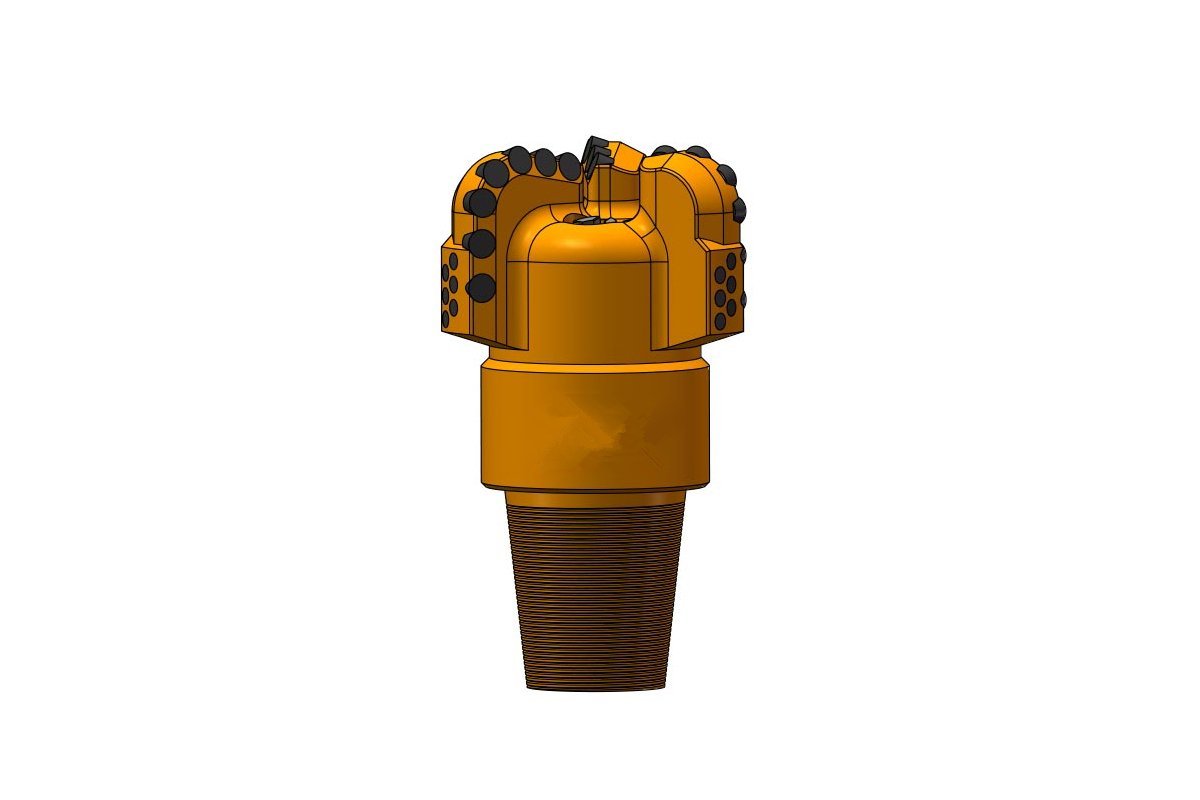
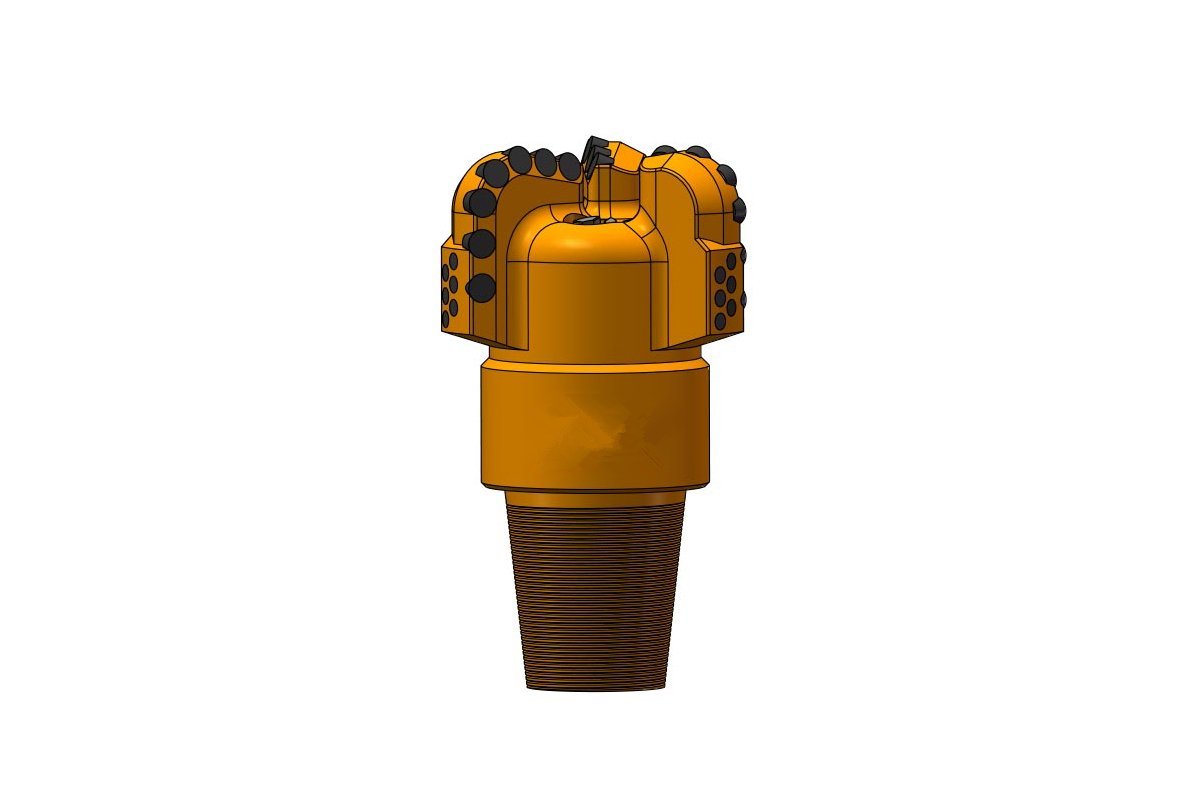
A PDC bit is a fixed-cutter bit that shears rock instead of crushing it.
A PDC bit, a Polycrystalline Diamond Compact bit, is a fixed-cutter drilling tool used widely in HDD and directional drilling applications. Unlike roller cone bits, PDC bits use synthetic diamond cutters to shear through rock formations. This gives faster drilling speeds and a longer service life. In directional drilling they are preferred for their excellent steering capability, low vibration, and high drilling efficiency in suitable ground conditions.
Which Formations Suit a PDC Bit?
PDC bits perform best in clay, sandstone, shale, limestone, and soft to medium-hard rock. The reason is the cutter action. A fixed diamond cutter shears the rock as the bit rotates. Rock that fractures cleanly is ideal for this. Rock that is highly abrasive or highly fractured punishes a fixed cutter, and that is where a rolling cone bit does better.
| Formation | PDC Bit Suitability | Reason |
|---|---|---|
| Clay | Excellent | Soft, clean shearing cut |
| Sandstone | Excellent | Cuts cleanly with the shear action |
| Shale | Good | Works well, watch for interbedded harder layers |
| Limestone | Good to excellent | Consistent, predictable wear |
| Soft to medium-hard rock | Good | Depends on the quartz content |
| Highly abrasive rock | Poor | Fixed cutters wear fast, need a roller cone |
| Fractured or cased ground | Poor | Impact damages the fixed cutters |
What Are the Popular PDC Bit Specifications for HDD?
Our popular sizes are 5-1/2 inch, 6 inch, and 6-1/2 inch, all with 1313 cutters. The blade count is 4 or 5 depending on the size. The pin connection is 2-7/8 inch API Reg on the 5-1/2 inch, and 3-1/2 inch API Reg on the 6 inch and 6-1/2 inch. The rig compatibility list is longer and worth checking against the drill head before you order.
| Size in | Cutter Size | Blade | Pin Connection | Rig Compatibility |
|---|---|---|---|---|
| 5-1/2″ | 1313 | 4/5 | 2-7/8″ API Reg | JT2720AT / JT30AT / JT3020AT / D23x30DR / S3 / ACS130 |
| 6″ | 1313 | 4/5 | 3-1/2″ API Reg | JT4020 / JT60AT / JT100AT / D36X50DR / 18ACS / 20ACS / ACS300 |
| 6-1/2″ | 1313 | 4/5 | 3-1/2″ API Reg | JT4020 / JT60AT / JT100AT / D36X50DR / 18ACS / 20ACS / ACS300 |
What Weight and RPM Settings Should You Use?
Getting the settings right is what makes a PDC bit work. Push too hard and the cutters overheat. Run too slow and the bit dulls. The recommended settings are below. The 5-1/2 inch bit with 4 blades takes up to 4 tons of thrust at 200 to 280 RPM and 70 to 90 litres per minute of mud flow. The 6-1/2 inch with 5 blades runs at the same thrust and RPM, and suits medium sandstone and shells.
| Size in | Blade | Thrust ton | RPM | Mud Flow L/min | Typical Ground |
|---|---|---|---|---|---|
| 5-1/2″ | 4 | Up to 4 | 200–280 | 70–90 | Clay, soft sandstone |
| 6-1/2″ | 5 | Up to 4 | 200–280 | 70–90 | Medium sandstone, shells |
Note the thrust limit. It is the same for both sizes. A bigger bit does not take more thrust. It takes more of the same thrust across more cutters. If your rig can deliver more than 4 tons, the extra power does not help and it does damage the bit. Mud flow matters just as much. The recommended 70 to 90 litres per minute carries the cuttings out and cools the cutters. Too little flow and the bit overheats and glazes over. If your mud system cannot hold 70 litres per minute, the PDC bit is the wrong tool for that rig.
What Is a Tricone Bit and When Do You Use It Instead of a PDC Bit?
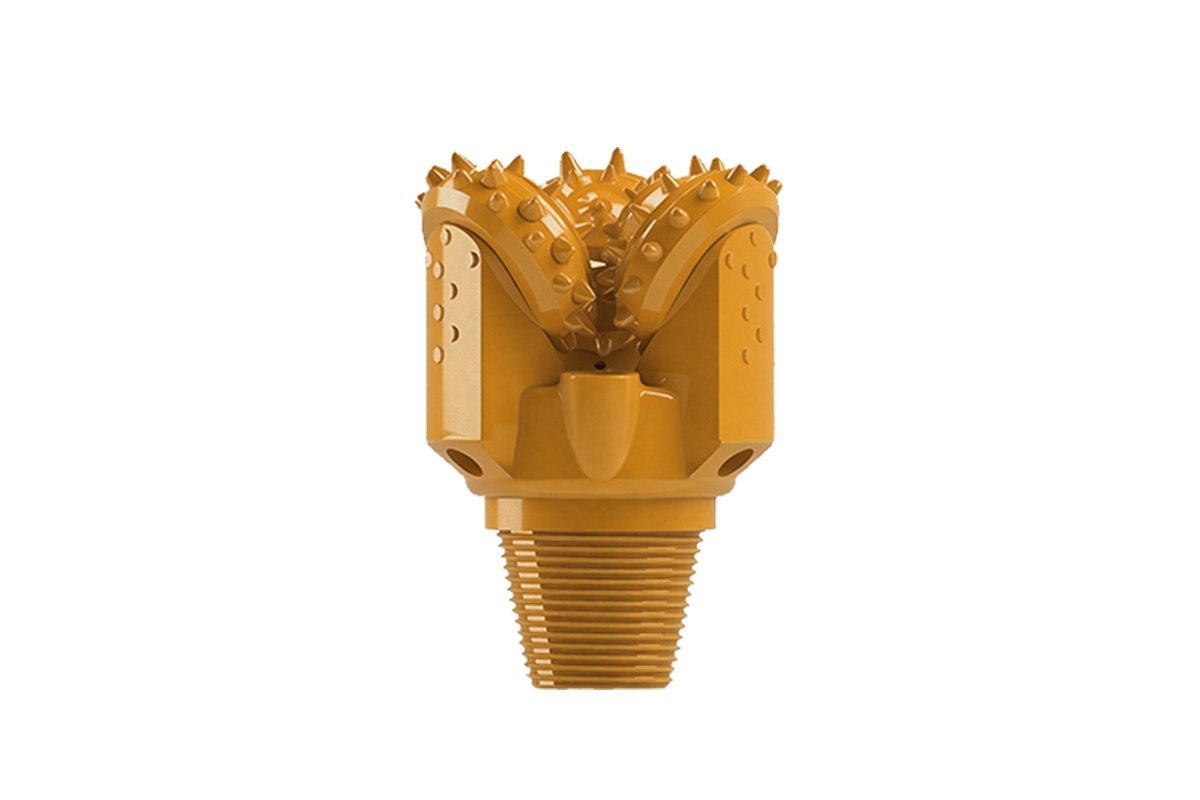
A tricone bit drills with three rolling cones instead of fixed cutters.
Tricone bits are widely used in horizontal directional drilling and underground pipeline installation, where stable rock cutting and precise steering are critical. Designed with a three-cone rolling structure, they provide reliable performance in formations ranging from soft soil to hard rock. They are commonly used for pilot hole drilling and trenchless construction projects.
What Is the Difference Between TCI and MT Tricone Bits?
Both are tricone bits. The difference is how the teeth are made. The TCI bit has tungsten carbide inserts pressed into the cone. The MT bit, the milled-tooth bit, has milled teeth on the cone with a wear-resistant material added to the tooth surface, which bolsters the longevity of the cutting teeth while preserving a high rate of penetration.
| Factor | TCI Bit | MT Bit (Milled Tooth) |
|---|---|---|
| Tooth construction | Tungsten carbide inserts | Milled teeth with wear-resistant treatment |
| IADC code | 117 / 127 / 217 (customizable) | Series 1 and 2 series |
| Hard rock life | 2 to 3 times longer | Good, shorter in hard rock |
| Cutting action | Crushing plus gouging | Gouging and scraping |
| Best ground | Hard rock, mixed ground with rock | Soft to medium formations |
| Rate of penetration | High in hard rock | Preserved across the job |
The practical rule is this. When you do not know what is coming, or when the ground is mixed gravel, cobble, and hard rock, use a TCI tricone bit. The inserts survive impacts and the bit keeps working through the changes. When the formation is known and soft to medium, a milled tooth bit gives a better rate of penetration at a lower cost.
Why Are Tricone Bits Valued in Mixed Ground?
An HDD crossing often passes through several formations in a short distance. A river crossing may go through soft river silt, then gravel, then dense clay, then rock. A fixed PDC cutter that is right for the silt can be ruined by the first boulder. A tricone bit with inserts takes the impact and keeps turning. The durability and versatility of the rolling cone design is why it remains the standard choice for uncertain ground.
Which Tricone Configuration Improves Performance?
Different configurations are selected to improve drilling efficiency, enhance rock penetration, and maintain directional stability. In practice this means matching the cone and insert design to the formation, and choosing the insert grade for the expected rock. Send us the ground report and we will specify the configuration.
What Is a PDC Reamer and When Is It Used?
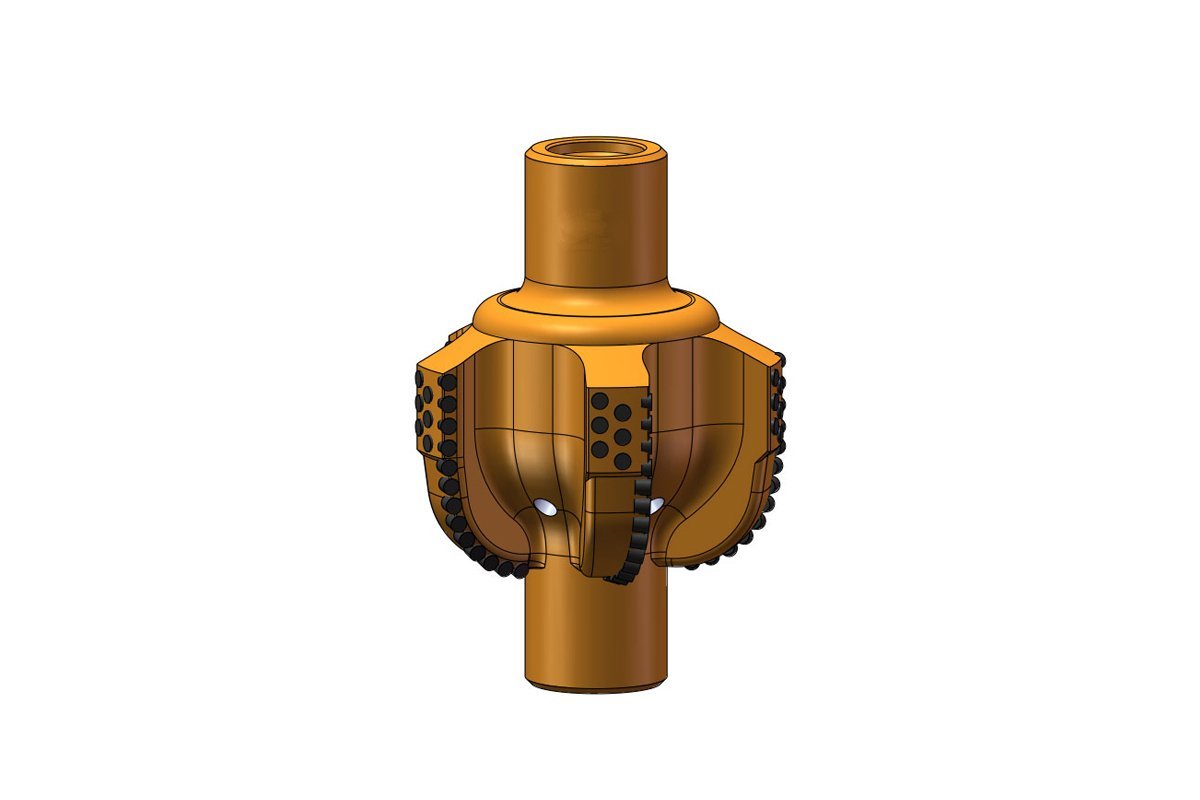
A PDC reamer enlarges the pilot hole without the shock of a rolling cone.
PDC reamers are high-performance hole-opening tools designed for HDD and directional drilling. Compared with traditional tricone hole openers, they deliver faster penetration rates, lower vibration, and a significantly longer service life in soft to medium-hard rock formations. They are engineered for demanding applications such as pipeline crossings, water well drilling, trenchless construction, and hard rock bore enlargement.
What Are the PDC Reamer Specifications?
The bit size is customizable according to project requirements. The blade count is available in 3, 4, or 5 blades. The cutter size comes in 13 mm, 16 mm, or 19 mm. The body is a high-strength alloy steel. Custom designs are available to meet specific drilling conditions and project requirements.
| Specification | Options | How to Choose |
|---|---|---|
| Bit size | Customizable | Must match the required product pipe diameter plus clearance |
| Blade count | 3, 4, or 5 | More blades for larger diameters and more stability |
| Cutter size | 13 mm, 16 mm, 19 mm | Bigger cutters for harder and more abrasive ground |
| Body material | High-strength alloy steel | Standard for hard rock service |
What Are the Key Advantages of a PDC Reamer?
Excellent performance in mixed and heterogeneous formations. Strong impact resistance for demanding drilling conditions. Stable and reliable performance in hard rock formations. And a cost-effective solution with an optimised initial investment.
What Is a Hole Opener and What Does It Do in the Drilling Sequence?
A hole opener is the tool that takes the pilot hole to full product size.
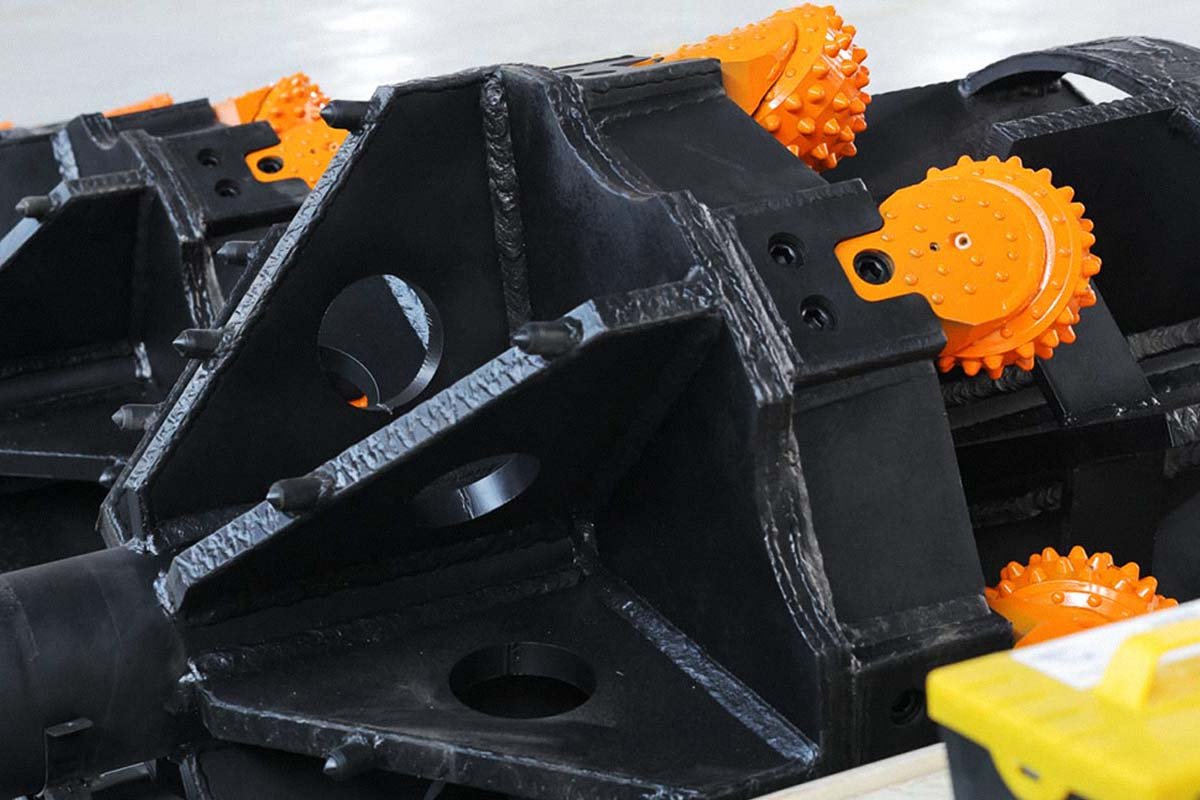
After pilot drilling, horizontal hole openers, especially tricone hole opener bits, are used to enlarge the borehole step by step. Designed for demanding rock formations, these hole opener bits deliver efficient cutting performance, reduced torque, improved stability, and reliable bore enlargement. The hole opener is the final tool in the sequence before the product pipe is pulled through.
What Is the Welded Hole Opener?
As a robust HDD rock reamer, the welded hole opener is engineered for maximum structural integrity during borehole enlargement. Its full-welded construction ensures the tricone cutters remain securely fixed under the extreme torque and vibration encountered in hard rock formations such as shale, granite, and limestone. The welded build is what keeps the cutters in place when the ground is trying to throw them out.
What Is the Step by Step Enlargement Sequence?
The pilot hole is drilled first, usually at 8 to 12 inches. Then the hole is opened in stages. Each stage uses a reamer or opener that is a bit larger than the last. This is deliberate. If you try to go from the pilot hole straight to full size, the torque on the string becomes unmanageable and the risk of getting stuck is high. Enlarging in steps keeps the torque at each stage within what the rig can handle.
| Stage | Tool | What It Does |
|---|---|---|
| 1. Pilot hole | PDC bit or tricone bit | Drills the initial small diameter hole on line |
| 2. First reaming | PDC reamer or hole opener | Opens the hole to an intermediate diameter |
| 3. Intermediate stage | Larger reamer or hole opener | Enlarges further, still within the torque limit |
| 4. Final size | Full size hole opener | Opens the hole to product pipe diameter |
| 5. Product pull | Swivel and puller | Pulls the product pipe through the open hole |
What Formations Does a Hole Opener Work In?
A hole opener is designed for the difficult end of the job. Shale, granite, and limestone are the named hard rock formations for the welded design. In softer ground a PDC reamer does the job more efficiently, because a rolling cone in soft clay just churns the material. Use the right tool for the formation.
How Do the Four HDD Tools Compare?
This is the table to keep open while you plan a crossing.
The PDC bit drills the pilot hole in suitable ground. The tricone bit drills the pilot hole in uncertain, mixed, or hard ground. The PDC reamer enlarges the hole efficiently in soft to medium-hard formations with low vibration. The hole opener enlarges the hole in hard rock with the torque and vibration resistance the rock demands.
| Tool | Main Job | Cutting Action | Best Ground | Key Strength |
|---|---|---|---|---|
| PDC bit | Drill the pilot hole | Fixed diamond cutters, shearing | Clay, sandstone, shale, limestone, soft-medium hard rock | Speed, low vibration, steering control |
| Tricone bit | Drill the pilot hole | Three rolling cones, crushing and gouging | Soft soil to hard rock, mixed ground | Durability in uncertain ground |
| PDC reamer | Enlarge the hole | Fixed diamond cutters on blades | Soft to medium-hard rock, mixed formations | Fast, smooth, long life |
| Hole opener | Enlarge the hole to full size | Rolling cutters, full-welded body | Hard rock: shale, granite, limestone | Structural strength under torque |
Which Tool Goes First, Second, and Third?
The order depends on the ground, and there is no fixed answer. A typical crossing in river silt and soft clay would use a PDC bit for the pilot hole, then a PDC reamer for the enlargement, with no rolling cone at all. A crossing into granite would use a TCI tricone bit for the pilot hole and a welded hole opener for the enlargement. A crossing through mixed gravel and rock in an unknown area would use a tricone bit for the pilot, then step up with reamers, and finish with a welded hole opener for the last stage.
| Ground Profile | Pilot Hole Tool | Enlargement Tool | Why |
|---|---|---|---|
| Soft clay and silt | PDC bit | PDC reamer | Both tools work fast, no rolling cone needed |
| Sandstone | PDC bit | PDC reamer | Clean shearing cut in sandstone |
| Soft clay over rock | Tricone bit for the rock section | PDC reamer in clay, hole opener in rock | Each tool matched to its layer |
| Mixed gravel and cobble | TCI tricone bit | PDC reamer then hole opener | Impact resistance in the pilot hole |
| Hard rock throughout | TCI tricone bit | Welded hole opener | Both tools built for hard rock |
| Unknown ground | TCI tricone bit | Step up with reamers, finish with a hole opener | Most robust sequence |
How Do You Select HDD Tools for a Specific Crossing?
Four questions, in this order.
First, what is the ground along the whole route, not just at the entry point. Second, is the ground known or uncertain, because that decides between a PDC bit and a tricone bit. Third, what is the required product diameter, which sets the reamer and opener sizes. Fourth, what does the drill head and the rig accept, because the pin connection and the rig compatibility have to match.
These four tools are the core of our HDD tools range. The PDC bit and the tricone bit make the pilot hole. The PDC reamer and the hole opener enlarge it.
- Full ground profile for the entire route, including the exit point
- Known ground versus uncertain ground for the pilot hole
- Required product pipe diameter and the hole diameter needed for it
- Pin connection type and rig model for the drill head
- Rock strength and quartz content, which drive the cutter and insert grade
- Trench length, which drives the reaming stage count and the torque budget
Why Does the Rig Compatibility Check Matter?
A PDC bit has to fit the drill head. The 5-1/2 inch with a 2-7/8 inch API Reg pin runs on JT2720AT, JT30AT, JT3020AT, D23x30DR, S3, and ACS130. The 6 inch and 6-1/2 inch with a 3-1/2 inch API Reg run on JT4020, JT60AT, JT100AT, D36X50DR, 18ACS, 20ACS, and ACS300. If the bit does not match the rig, the job stops on day one. This check takes a minute and it should be on your order form.
Conclusion
The PDC bit drills the pilot hole in known ground. The tricone bit drills it in uncertain, mixed, or hard ground. The PDC reamer enlarges the hole smoothly in softer formations, and the hole opener takes it to full size in hard rock. Match the tool to the ground along the whole route, and check the rig compatibility before the bit leaves the workshop.