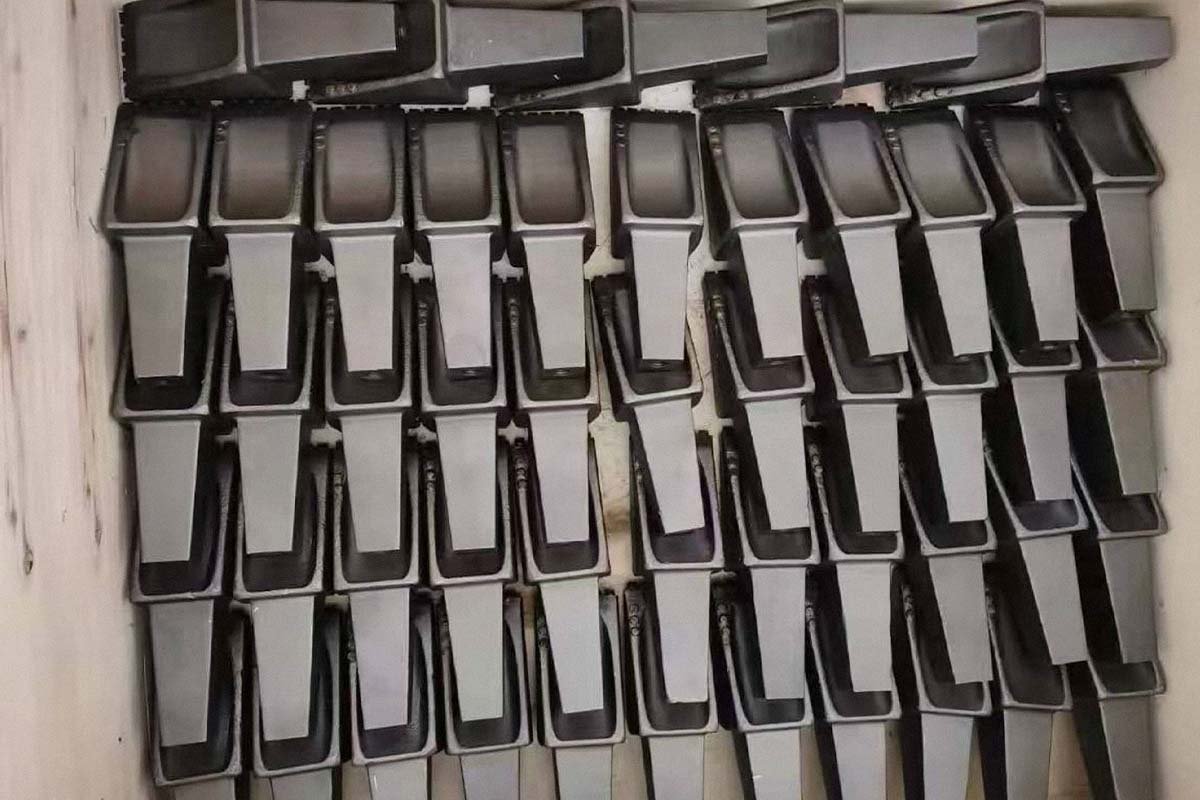
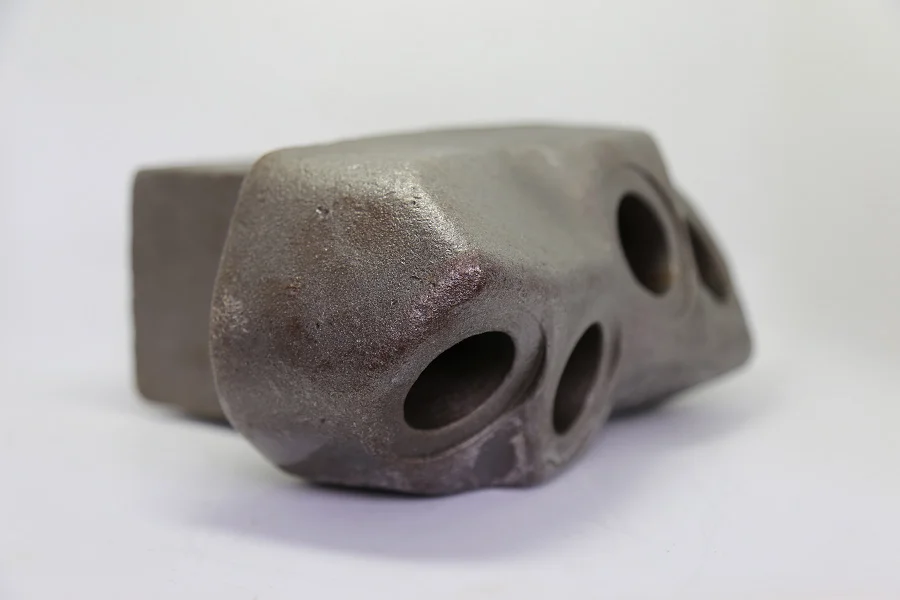

Every hole starts at a small diameter. The tool that opens it has to do one thing better than anything else: stay on the centre line. Get that wrong and the whole pile is off target.
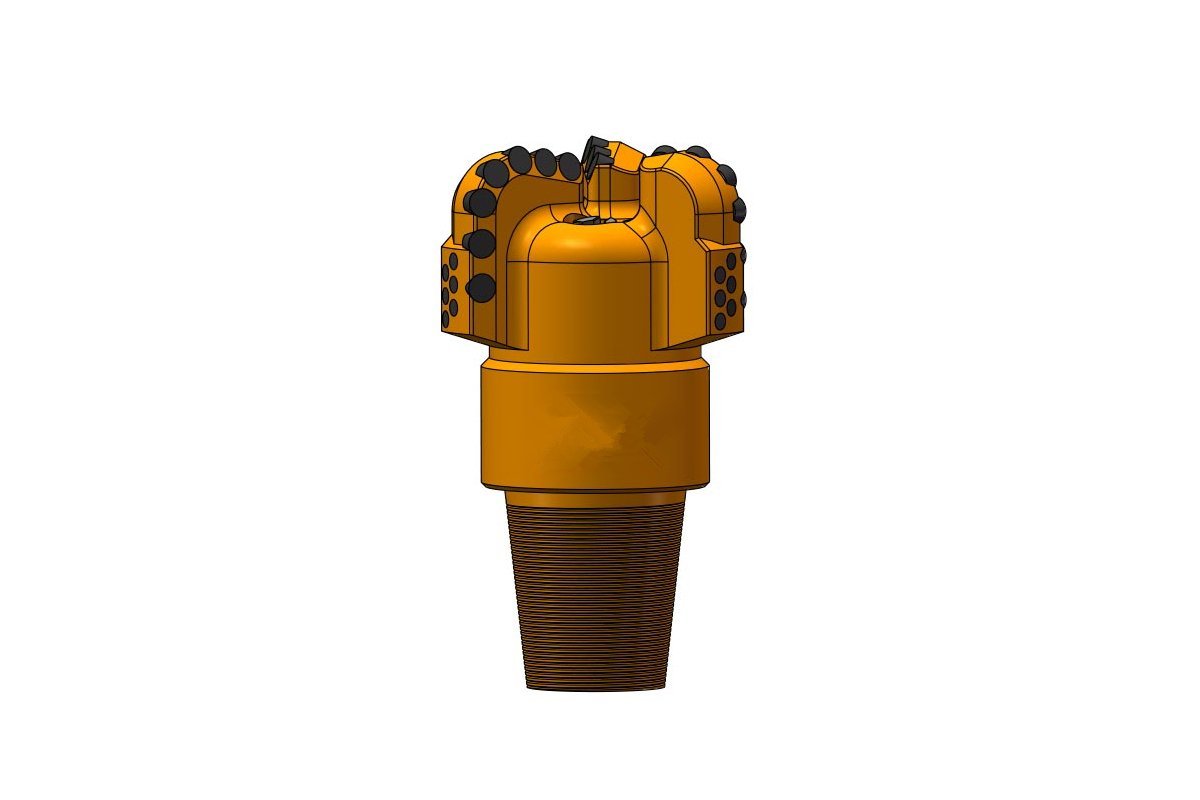
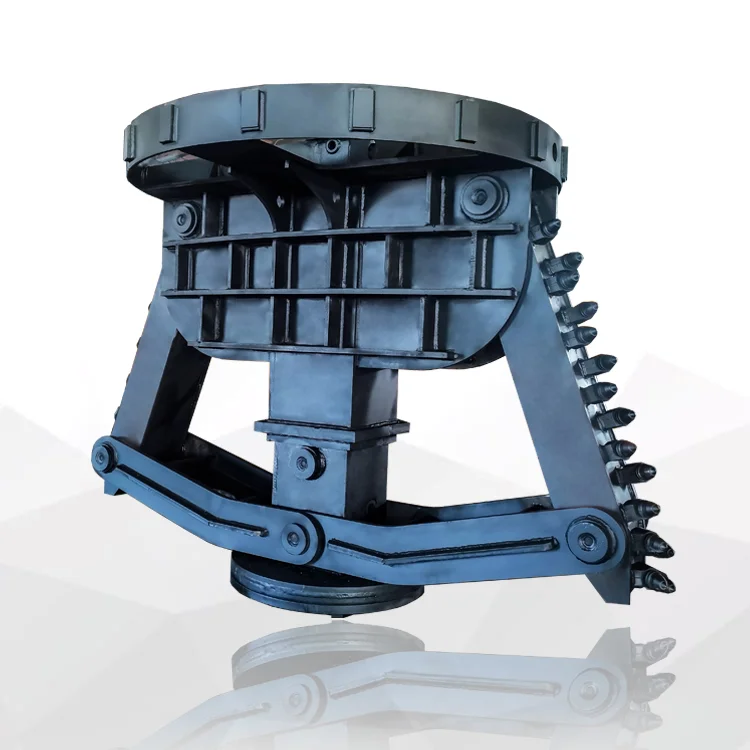
A pilot bit is the small-diameter tool used to start a borehole before the main drilling tool takes over. AAETT® offers the RP4-200 with an RP4H holder, and the fishtail bit. The RP4-200 weighs 22 kg with an 18 kg holder, and the fishtail bit is also 22 kg. These are heavy tools for a pilot, and that weight is the point.
A pilot bit is the cheapest tool in the whole sequence and the one that decides where the pile ends up. Here is what makes it work.
What Is a Pilot Bit and Why Is It So Heavy?
A pilot bit is a short, heavy tool with a pointed or flat cutting head.
A pilot bit starts the hole. It has a cutting head, a body, and a connection to the Kelly bar. The important part is the body. A pilot bit at 22 kg is heavy compared with the drilling tools that follow it, and this is deliberate. The weight keeps the bit on line while the rig applies downforce. A light pilot wanders, and once it wanders the hole is off target for the rest of its depth.
What Is the Difference Between a Pilot Bit and a Small Drilling Bucket?
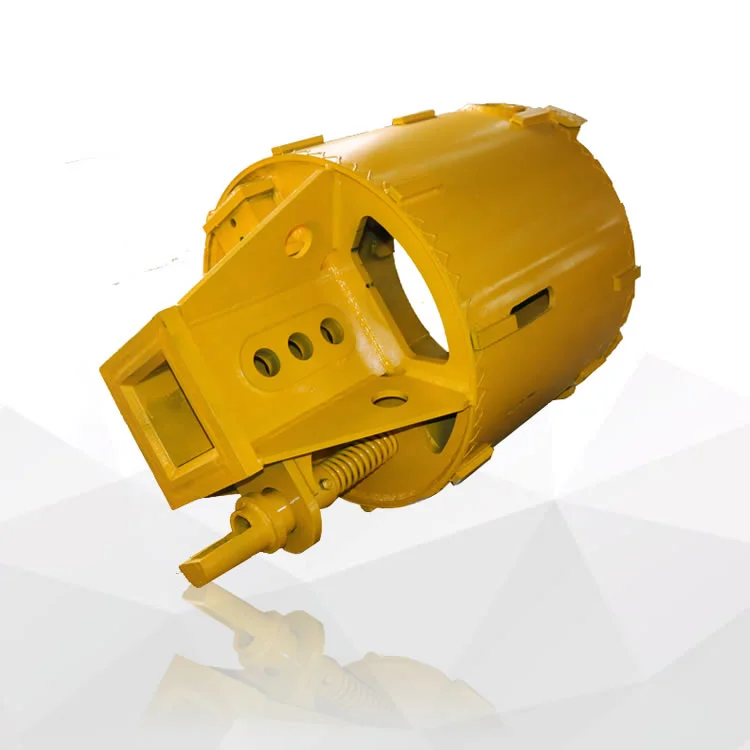
A small drilling bucket excavates. A pilot bit guides. The pilot bit does not need to hold spoil and does not need to cut a full diameter. It needs to cut a small hole accurately and hold its direction under load. This is why the pilot bit has a pointed or fishtail profile rather than a bucket lip with teeth.
| Factor | Pilot Bit | Drilling Bucket |
|---|---|---|
| Primary job | Start the hole on line | Excavate the full diameter |
| Typical diameter | Small, often 200 to 500 mm | Full pile diameter |
| Body weight | Heavy for its size (22 kg) | Heavy overall |
| Cutting head | Pointed or fishtail | Lip with soil teeth |
| Spit handling | Not designed to hold spoil | Carries the full spoil load |
| Position in the sequence | First | After the pilot is opened |
What Are the Available Pilot Bit Types?
Two types, with different cutting behaviour.
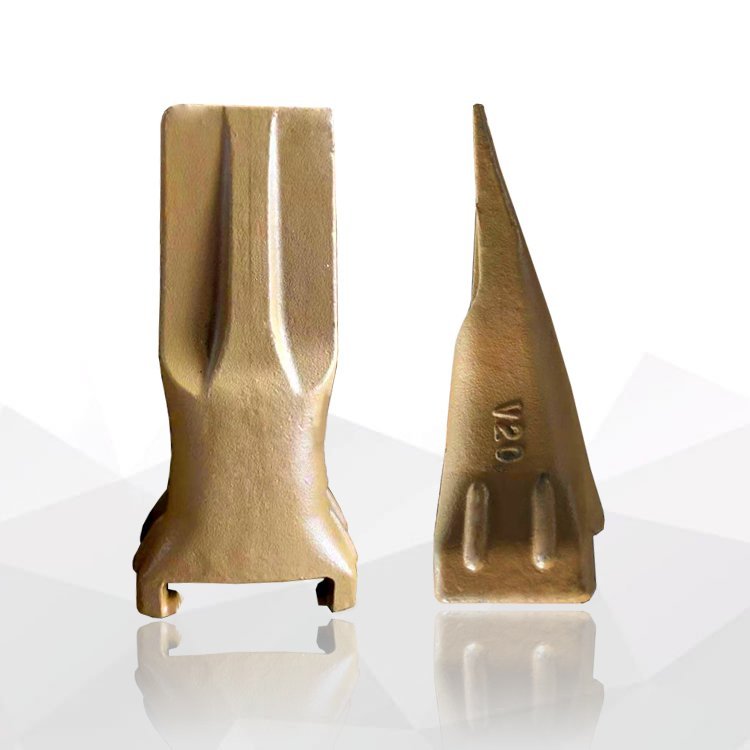
The RP4-200 is a flat teeth pilot with an RP4H holder. The fishtail bit is the other type, and it gets its name from the fishtail shape of its cutting head. Both use the same principle: a small head that concentrates the load on a narrow point so the bit goes into the ground rather than sliding across it.
| Part No. | Description | Unit Weight kg |
|---|---|---|
| RP4-200 | Flat Teeth | 22 |
| RP4H | Holder | 18 |
| Fishtail bit | Flat Teeth | 22 |

How Does the Fishtail Shape Work?
The fishtail bit has a flat head with two wings that cut. The wings slice into the soil at the leading edge and push the material to the sides. The cut is a shearing action rather than a point penetration. This means the bit does not wander, because the wings resist side load in both directions equally. That resistance is what holds the hole on the centre line.

When Is the RP4-200 the Better Choice?
The RP4-200 with its holder gives you a replaceable tooth. When the cutting head wears, you replace the tooth rather than the whole tool. This matters more on a job with a hard surface layer, where the head takes a beating before the hole is properly opened and the main tool takes over.
Why Does the Start of the Hole Matter So Much?
Everything below the pilot inherits its position.
A bored pile is a straight cylinder. The pile has to be inside the tolerance set by the structural design, usually a percentage of the diameter. If the pilot starts at an angle or wanders, the hole continues in that direction for the rest of its depth. By the time the reinforcement cage is being lowered, the deviation is already fixed.
| Pilot Condition | Effect Down The Hole | Consequence |
|---|---|---|
| Steady on line | Hole stays vertical | Pile meets the design tolerance |
| Wanders at the start | Angle compounds with depth | Pile position out of tolerance |
| Hole not vertical | Cage hits the hole wall | Cage cannot be lowered to the bottom |
| Borehole too narrow | Main tool cannot follow | Tool needs reaming, extra time |
| Spoil left in the pilot hole | Main tool starts on debris | Uneven cutting on the first metres |
What Is the Deviation Problem?
A borehole that leans by even two degrees over twenty metres puts the base nearly a metre off the design position. The reinforcement cage has to go down that hole. If the hole leans, the cage binds, and if it binds badly the cage has to be pulled and the hole reamed. This is a routine problem on a job that should have been straightforward.
How Much Time Does the Pilot Step Actually Take?
Not much, and that is the point. The pilot step is a short operation. It is worth doing properly because the cost of fixing a hole that has gone wrong is many times the cost of starting it right. On most sites the pilot takes a fraction of the total drilling time for the pile.
What Makes a Good Pilot Bit?
Three qualities, and they all come down to material.
Stronger abrasion resistance. Advanced processing to guarantee high bit quality. And higher force intensity during drilling, which reduces the risk of the teeth breaking or cracking. The body surface is smooth, which gives less resistance and faster drilling efficiency, and the bit is solid forged with high hardness.
Why Does Abrasion Resistance Matter at the Start of a Hole?
The start of a hole is often the hardest part. The bit is breaking through the surface layer, which is frequently compacted, cemented, or full of rubble from the site. This is where a lot of wear happens. Once the hole is properly open and the main tool is running, the wear rate drops. The pilot takes the punishment so the main tool does not have to.
What Does Solid Forging Do?
Forging compacts the metal structure and refines the grain. The result is a harder, tougher body with better fatigue resistance. On a tool that takes shock loads every time it breaks through something, this is what keeps it from cracking apart.
Why Does a Smooth Body Surface Matter?
A smooth body slides through the spoil instead of dragging it. The pilot has to go down fast and straight. A rough body picks up material and then it is no longer a clean cutting head. The same principle applies to the main tools, and it is why the surface finish on a drill tool matters more than most buyers expect.
Where Does the Pilot Bit Fit in the Drilling Sequence?
First tool in, then out of the way.
The pilot bit opens the hole. The main drilling tool then follows and enlarges it to the full pile diameter. The pilot is then recovered and kept for the next pile. On a job with hundreds of piles, this means one or two pilots serve the whole site, which is why they are built heavy enough to be worth recovering.
| Step | Tool | Purpose |
|---|---|---|
| 1. Pilot | Pilot bit | Open a small hole and establish the centre line |
| 2. Main drilling | Drilling bucket or auger | Enlarge to the full pile diameter |
| 3. Rock section | Core barrel or roller bit | Cut hard layers if present |
| 4. Bottom cleaning | Cleaning bucket | Sweep the loose spoil off the hole floor |
| 5. Concrete | Tremie pipe | Place the concrete to the bottom of the hole |
Do You Need a Pilot Bit on Every Job?
On a soft, uniform soil where the main bucket can start the hole itself, the pilot step can be skipped. But on most real ground there is a surface layer that will not take the full bucket cleanly, and the pilot is what stops the bucket from wandering. It is also what protects the bucket teeth from taking the shock of the initial breakthrough.
How Do You Recover the Pilot?
The pilot is recovered on the Kelly bar after the hole is opened to full size. It is inspected at that point, and the teeth are changed if they are worn. A pilot with a worn tooth recovered and put straight back in the next hole will wander, and that is how a whole pile column ends up out of tolerance. The main tools it works with are our drilling buckets and the auger, with a core barrel when the profile turns rocky.
How Does a Pilot Bit Work With the Rest of the Drill String?
The pilot bit is the bottom of the string, so everything about how it is used affects the whole string. The Kelly bar provides the torque. The rig provides the downforce. The pilot converts both into a cut. If the pilot is heavy and the rig pushes hard, the reaction goes up through the Kelly bar and into the rig. This is why the rig settings matter so much in the first few metres.
The practical guidance is to go slowly at the start. Push the pilot down at a controlled rate rather than using full downforce. A pilot driven too hard will cut a hole that is wider than the pilot diameter and that is not concentric with the hole axis. That first metre then becomes the guide for everything that follows, and a mistake in the first metre is carried down the whole pile.
The second practical point is the transition. When the hole is deep enough for the main tool to take over, the pilot is pulled and the main tool is lowered in. The main tool has to follow the same line. If the main bucket finds the hole a few degrees off vertical, it will ream the top of the hole rather than follow it, and this is where deviation usually starts. A good pilot makes the transition clean. A bad one makes every hole on the site slightly off line.
What Are the Common Mistakes With Pilot Bits?
The most common mistake is skipping the pilot because the ground looks soft. The second is running the pilot with a damaged tooth because the changeover was rushed. The third is not checking the wear on the recovered pilot before putting it in the next hole.
All three have the same result. The hole starts off line, and the deviation grows with depth. The fix is always the same: treat the pilot step as a real operation, give it the time it needs, and inspect the tool between piles. It is the cheapest quality control available on a piling site.
Conclusion
A pilot bit opens the hole and sets the line for everything below it. The RP4-200 with its RP4H holder and the fishtail bit both weigh 22 kg, because the weight is what holds the hole on centre. Inspect the teeth after every recovery, replace a worn tooth rather than reusing it, and never skip the pilot step because the ground looks soft on the surface.