Drilling delays can quickly increase project costs. Poor tool selection often causes slow excavation, more downtime, and lower efficiency on site.
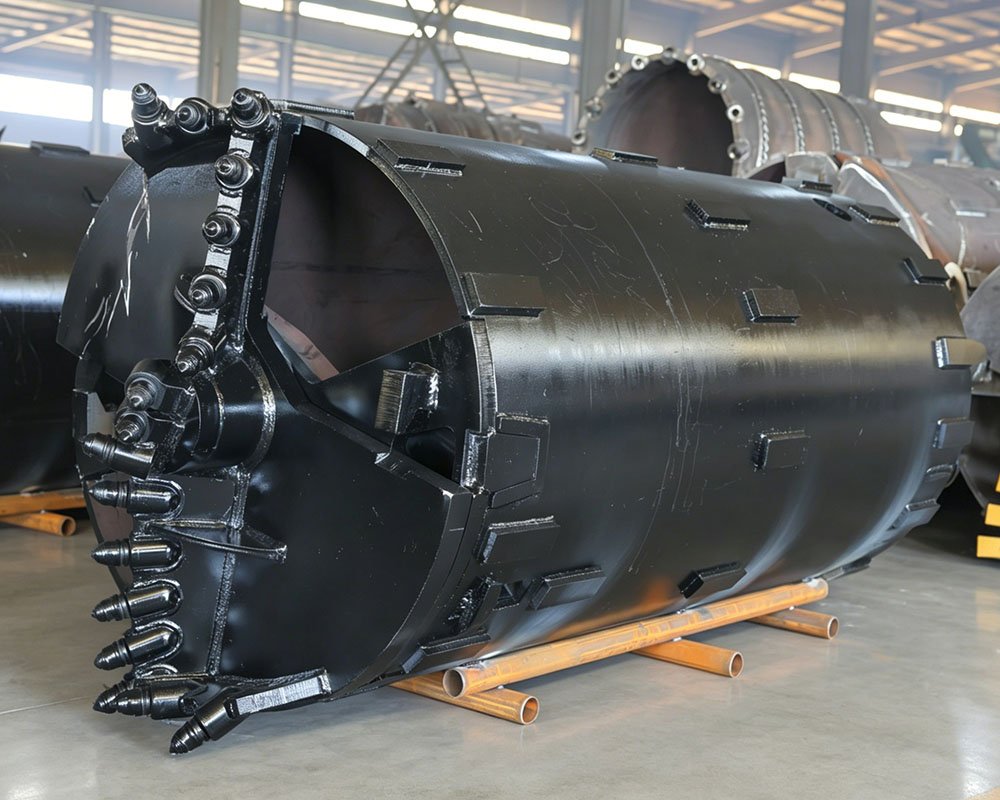
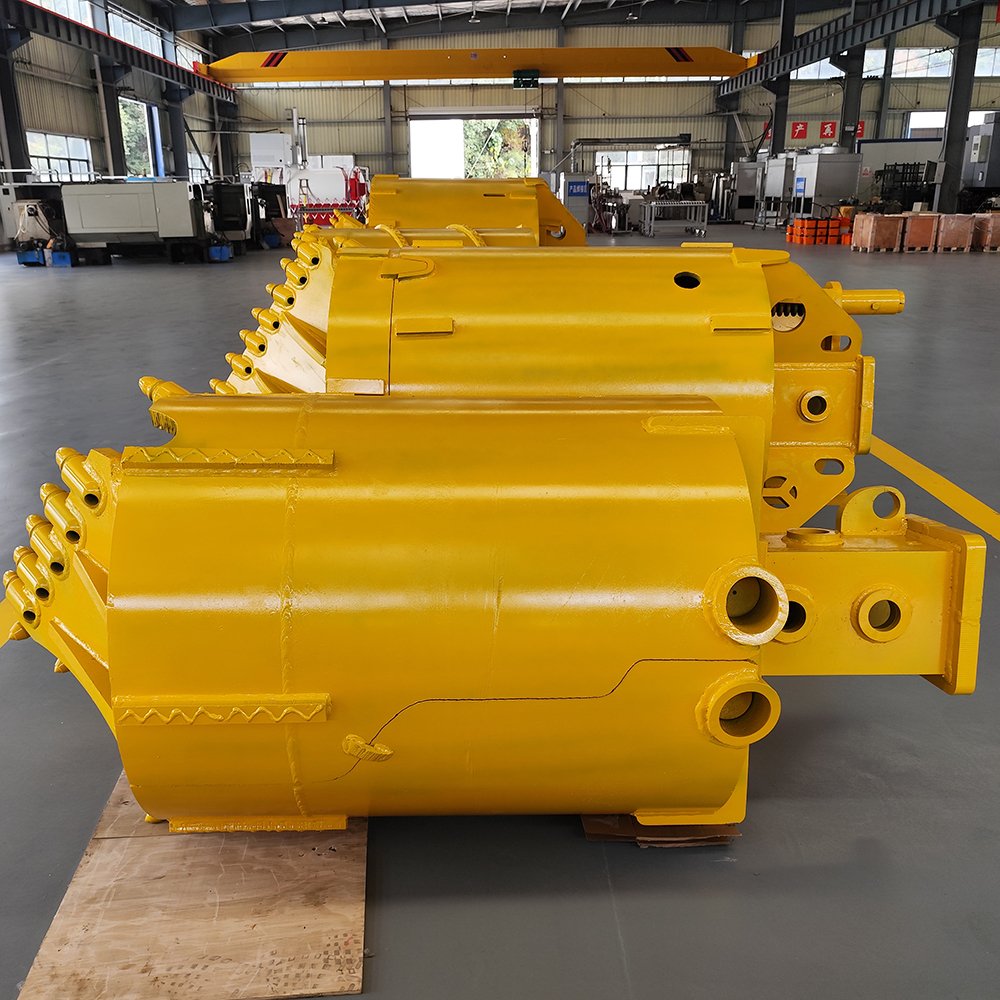
An open-type bucket is a drilling tool used to remove loose soil, sand, gravel, and soft materials during foundation drilling. Its open design improves material discharge and increases drilling efficiency in suitable ground conditions.
I often see buyers compare drilling tools based only on price. Later, many find that tool design has a direct impact on drilling speed, operating cost, and project performance.
What Is an Open-Type Bucket Used For?
Different ground conditions require different drilling tools. Open-type buckets perform well in loose formations.
An open-type bucket is mainly used for excavating and removing loose soil, sand, silt, gravel, and soft mixed ground during pile foundation drilling.
How Does an Open-Type Bucket Work?
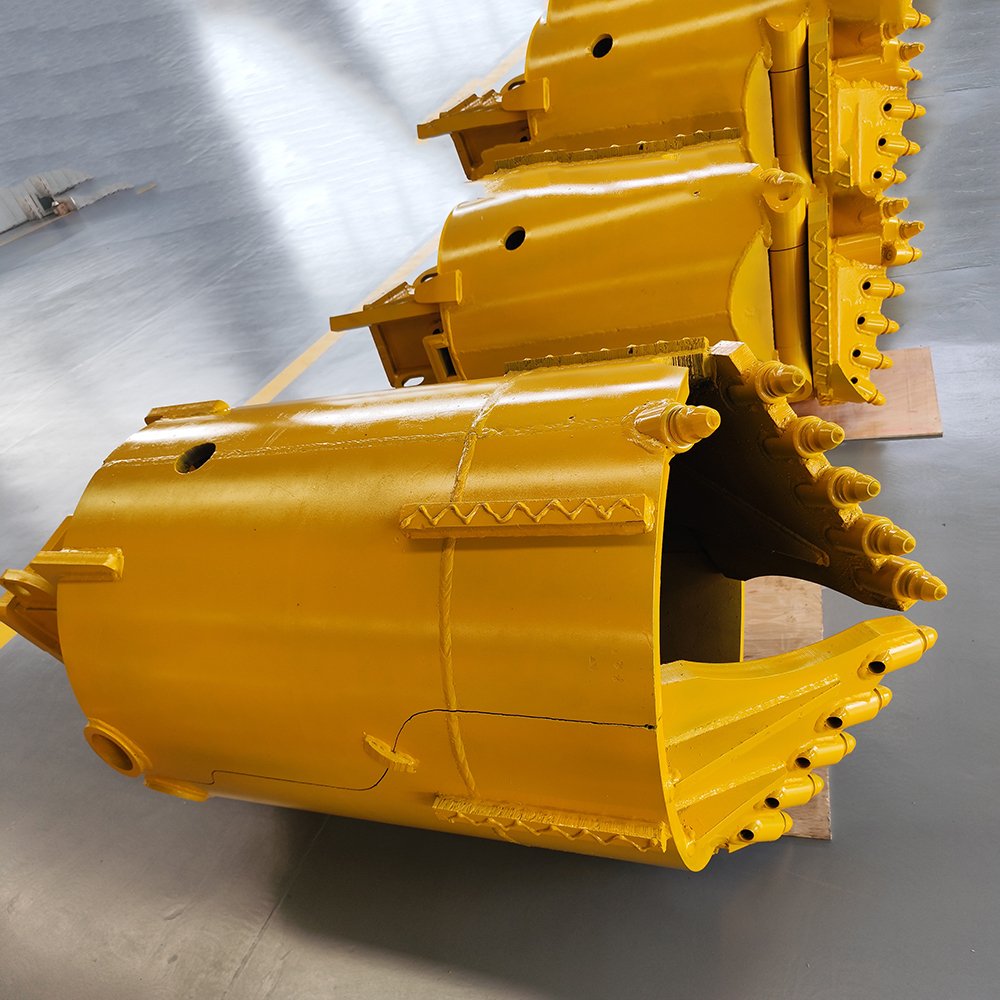
An open-type bucket rotates into the ground through drilling force.
Its cutting edge breaks the soil. Then loose material enters the bucket body through the open structure.
After filling, the tool is lifted out and emptied.
The process repeats until drilling reaches the target depth.
Where Is It Commonly Used?
I usually see open-type buckets used in projects with soft or loose ground.
Common applications include:
- Building foundation drilling
- Bridge piling
- Infrastructure construction
- Utility projects
- Soft ground excavation
Basic Working Process
| Step | Action | Result |
|---|---|---|
| Cutting | Cutting edge breaks soil | Ground loosens |
| Filling | Material enters bucket | Soil collects |
| Lifting | Tool moves upward | Material removed |
This simple design improves working efficiency in soft formations.
What Makes an Open-Type Bucket Different from Other Buckets?
Many buyers ask about the main difference between an open-type bucket and a standard drilling bucket.
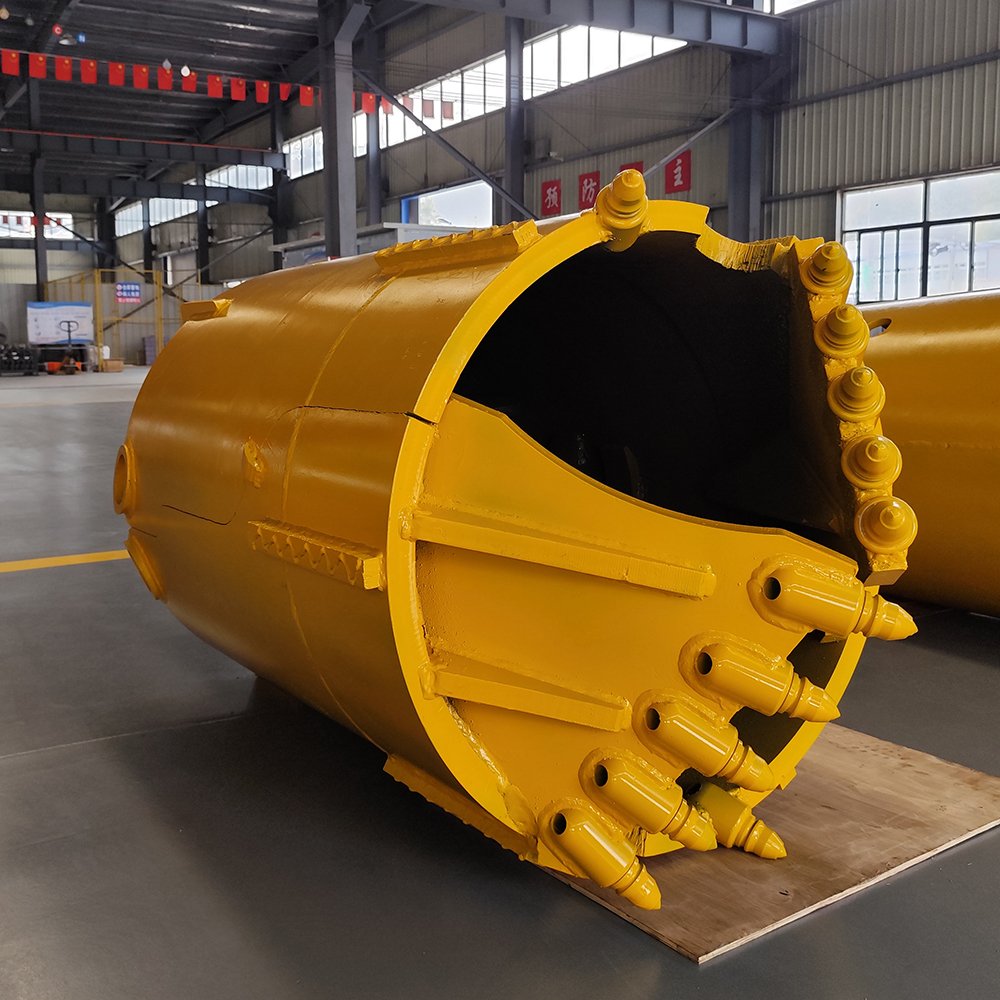
The main difference is the bucket structure. Open-type buckets have an open body design for easier material entry and faster discharge, while closed buckets focus more on controlled excavation.
Open Structure Design
The open structure allows loose material to enter more easily.
This reduces resistance during drilling.
Faster Discharge
Material can be removed faster during unloading.
This improves cycle efficiency.
Better for Loose Ground
This design works best in soft formations.
It may not perform well in hard rock.
Comparison Table
| Feature | Open-Type Bucket | Standard Bucket |
|---|---|---|
| Material Entry | Fast | Medium |
| Discharge Speed | Fast | Medium |
| Soft Soil Performance | Excellent | Good |
| Hard Rock Performance | Limited | Better |
The design difference creates different performance advantages.
How Does an Open-Type Bucket Improve Drilling Efficiency?
Efficiency matters in every drilling project. Tool design plays a major role.
An open-type bucket improves drilling efficiency by reducing digging resistance, increasing material loading speed, and shortening unloading time.

Lower Digging Resistance
Loose materials enter easily.
The bucket needs less drilling force.
This reduces machine load.
Faster Loading
The open design improves material collection.
Each drilling cycle becomes more productive.
Shorter Cycle Time
Faster loading and unloading reduce total drilling time.
This improves daily output.
Efficiency Comparison
| Factor | Poor Tool Design | Open-Type Bucket |
|---|---|---|
| Digging Resistance | High | Low |
| Loading Speed | Slow | Fast |
| Cycle Time | Long | Short |
This advantage becomes clear in large-scale projects.
How Do You Choose the Right Open-Type Bucket?
Tool selection affects both efficiency and operating cost.
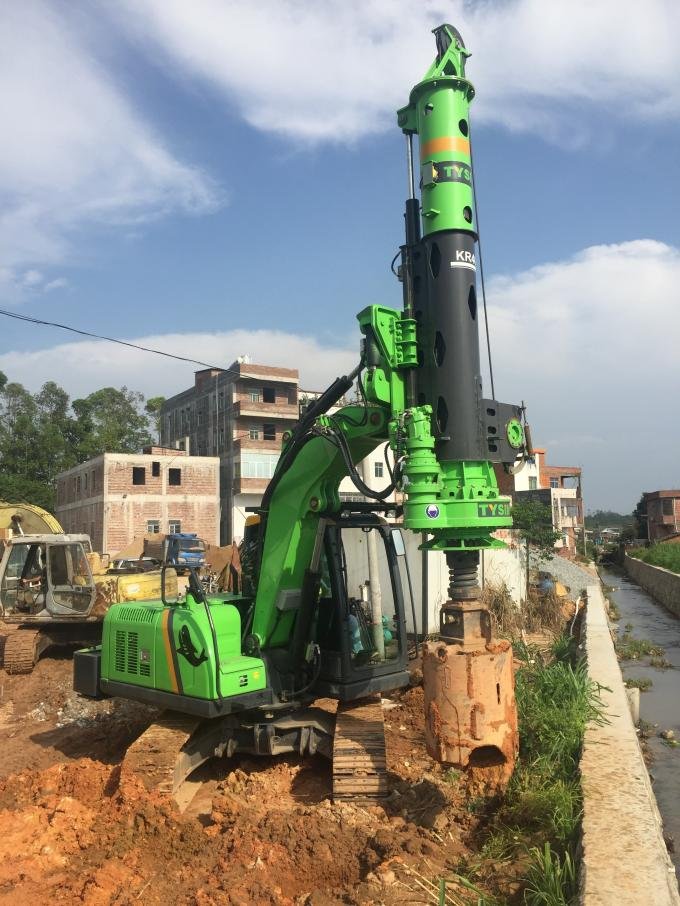
The right open-type bucket depends on ground condition, drilling diameter, drilling depth, and machine compatibility.
Check Ground Condition First
I always start with the ground condition.
Important questions include:
- Is the soil loose?
- Is sand present?
- Is gravel mixed in?
- Is the ground wet?
These answers help determine the correct design.
Confirm Bucket Size
Bucket diameter should match drilling requirements.
Wrong size reduces efficiency.
Check Machine Compatibility
The tool must fit the drilling rig.
Important factors include:
- Kelly box size
- Torque capacity
- Machine load
Selection Checklist
| Factor | Importance |
|---|---|
| Ground Type | Determines suitability |
| Diameter | Affects borehole size |
| Rig Compatibility | Ensures stable operation |
Each factor affects performance.
What Problems Come from Poor Quality Open-Type Buckets?
Low-quality tools often create hidden costs.
Poor-quality open-type buckets can wear quickly, crack under load, reduce drilling speed, and increase maintenance costs.

Fast Wear
Weak materials wear faster.
This shortens tool life.
Structural Damage
Poor welding increases cracking risk.
This can stop operations.
Lower Efficiency
Bad design reduces material flow.
This slows down drilling.
Common Problems
| Problem | Cause | Result |
|---|---|---|
| Fast wear | Poor steel quality | Short life |
| Cracks | Weak welding | Downtime |
| Slow drilling | Poor design | Lower output |
I often tell buyers that low price does not always mean lower cost.
Why Does Open-Type Bucket Quality Affect Total Project Cost?
Many buyers focus only on initial price. I think long-term value matters more.
A high-quality open-type bucket lowers total project cost by improving efficiency, reducing downtime, lowering maintenance, and extending service life.
Lower Maintenance
Better materials reduce repair frequency.
This lowers maintenance costs.
Longer Service Life
High-quality buckets last longer.
This improves long-term value.
Higher Productivity
Better tools improve daily drilling output.
This supports project profitability.
Cost Comparison
| Factor | Low-Quality Bucket | High-Quality Bucket |
|---|---|---|
| Initial Cost | Lower | Higher |
| Maintenance Cost | Higher | Lower |
| Service Life | Short | Long |
| Total Cost | Higher over time | Lower over time |
This is why experienced buyers often focus on total ownership cost.
Conclusion
An open-type bucket is a valuable drilling tool for loose ground conditions. The right bucket improves efficiency, reduces cost, and helps projects run smoothly.