Drilling delays cost money. Poor cutting tools slow every job down. Many buyers focus on big equipment, but they often ignore one small part that affects drilling speed and tool life.
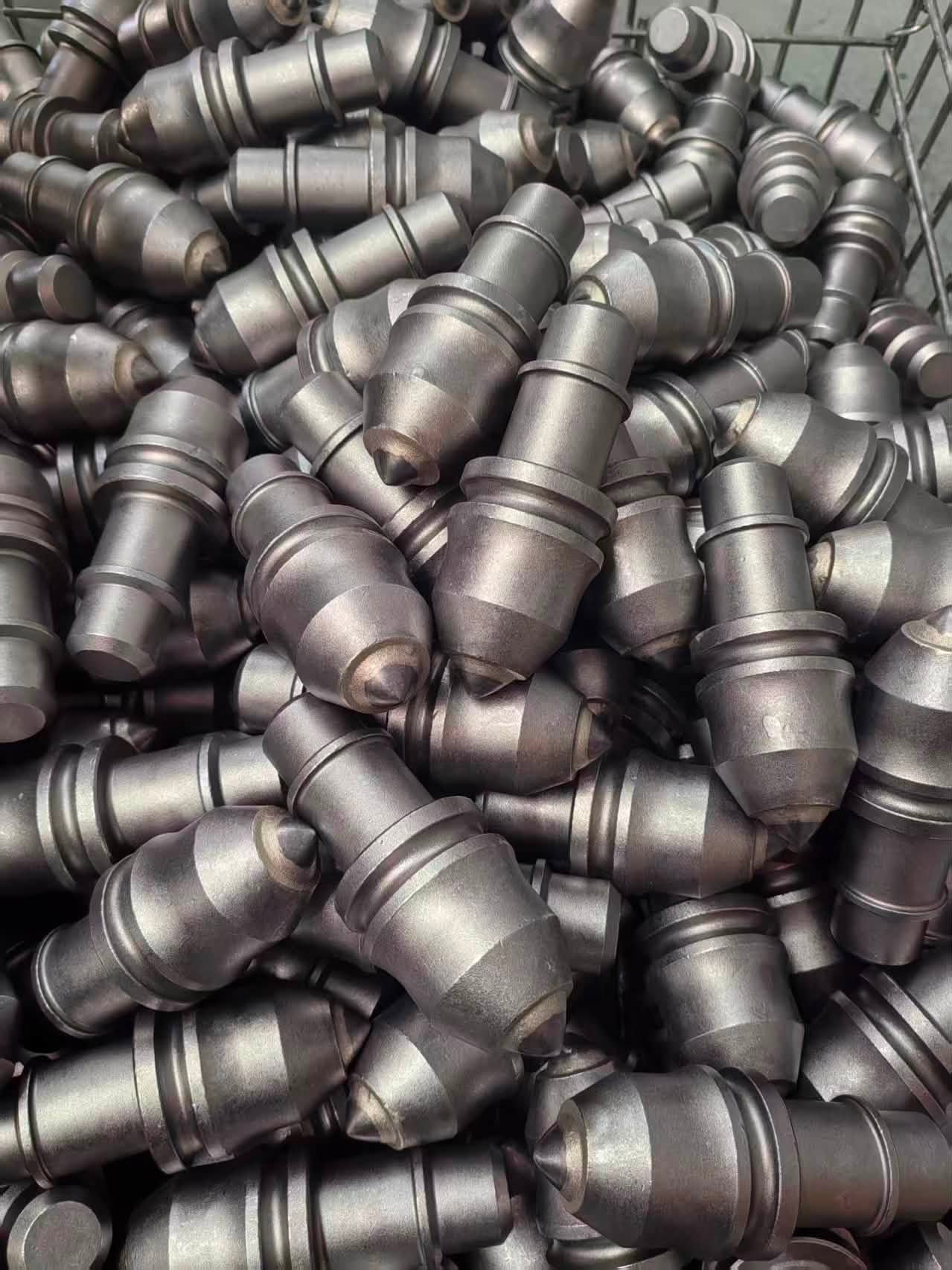
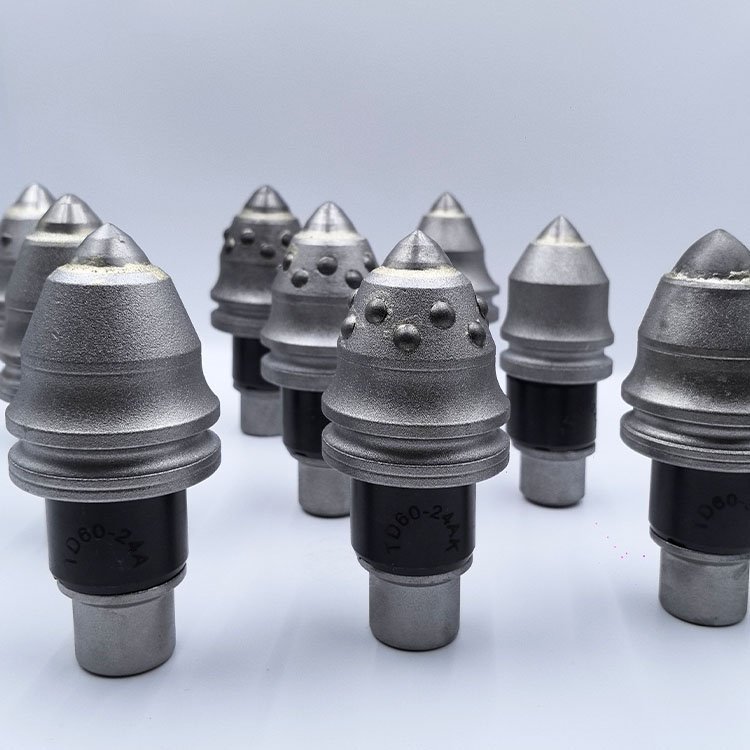
Bullet teeth are critical cutting components used on drilling tools to break soil, rock, and mixed ground conditions. Good bullet teeth improve drilling speed, reduce wear, lower maintenance costs, and increase overall project efficiency.
I have worked with many drilling contractors who focused on buckets, augers, and rigs first. Later, they realized that bullet teeth often decide whether a project runs smoothly or becomes expensive.
What Are Bullet Teeth Used For?
Bullet teeth may look small. Still, they carry a huge responsibility during drilling.
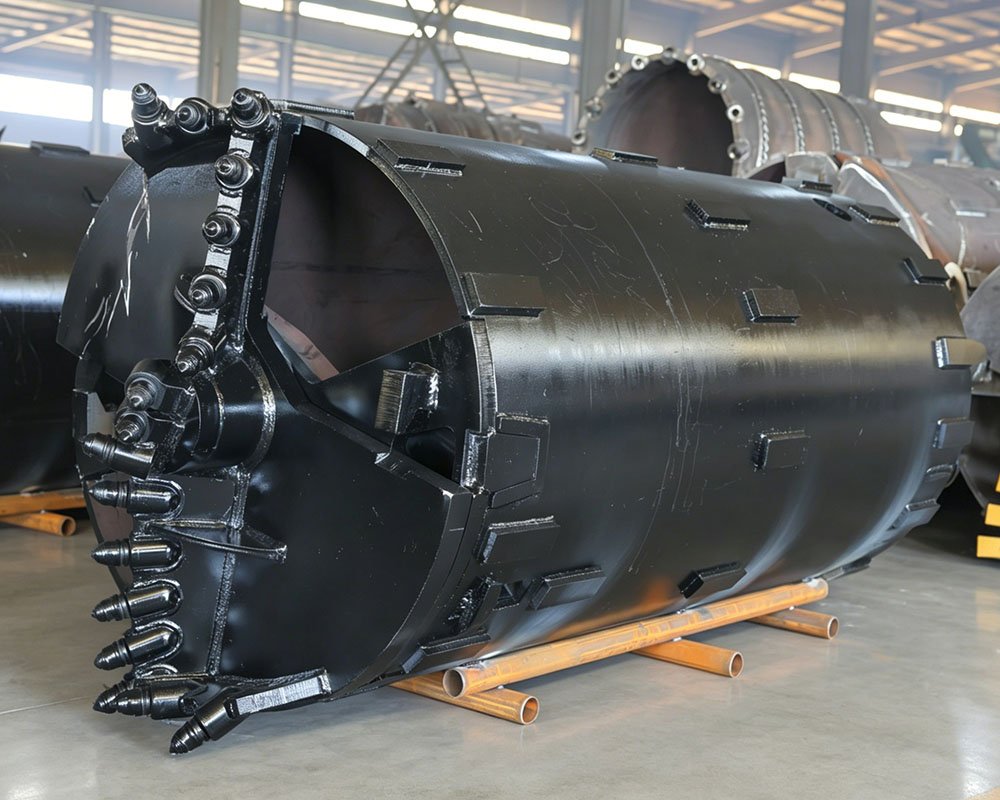
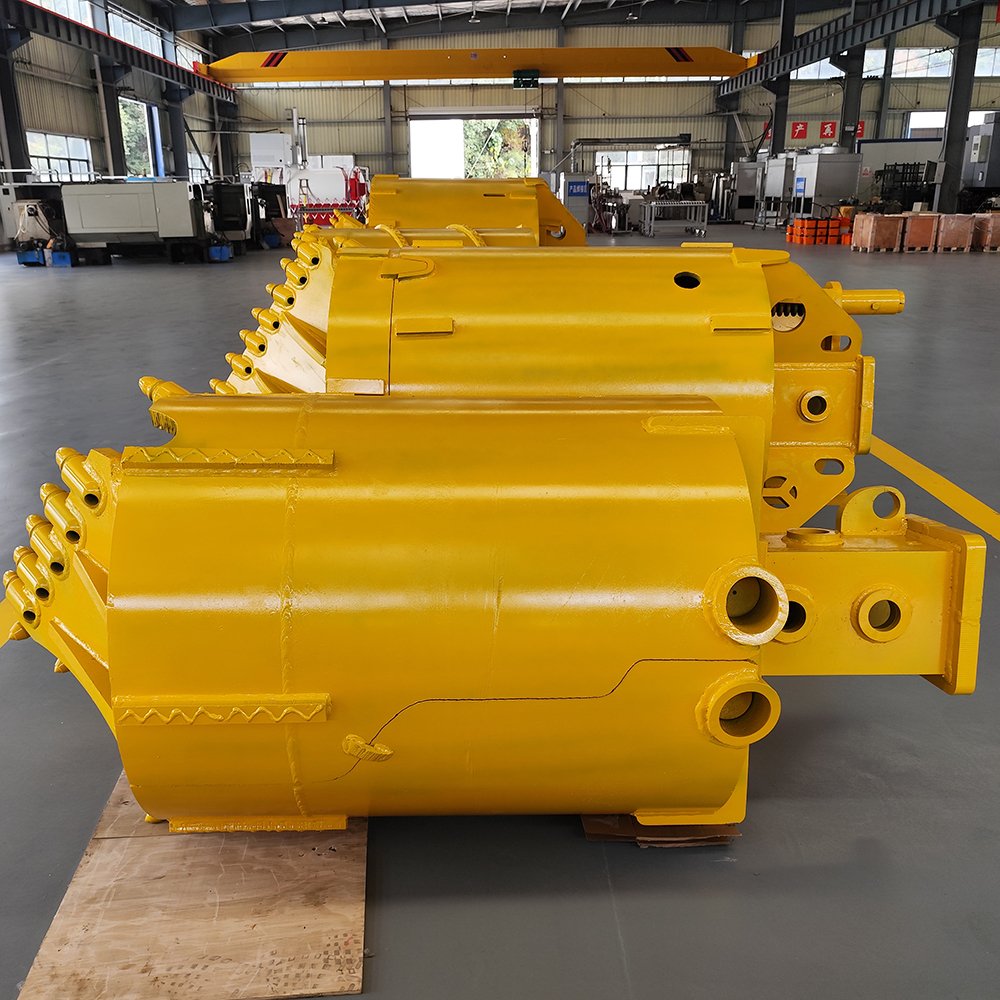
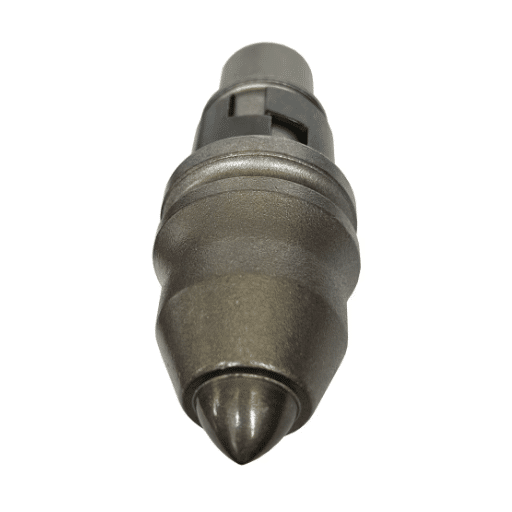
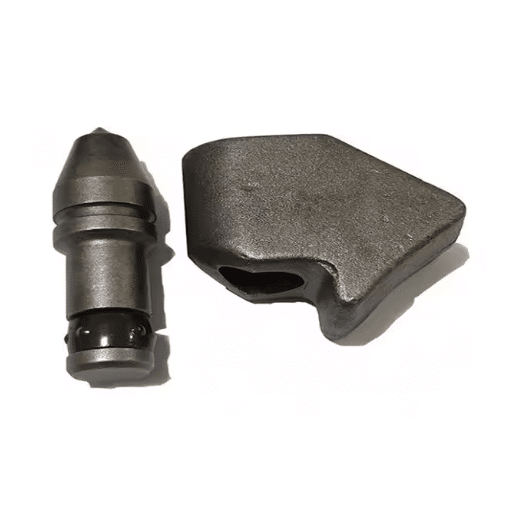
Bullet teeth are used to cut, crush, and break ground materials during drilling. They are commonly installed on augers, drilling buckets, core barrels, and other foundation drilling tools to improve cutting performance.
How Do Bullet Teeth Work?
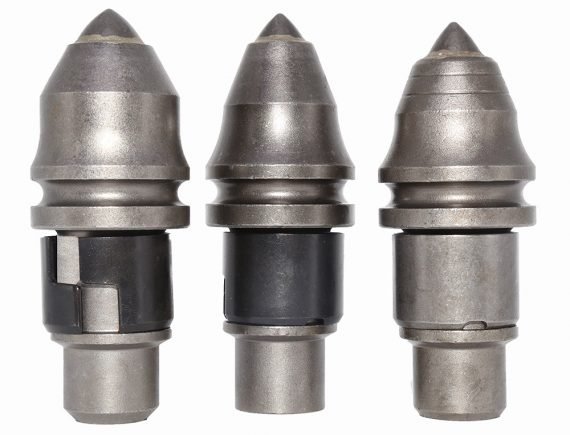
Bullet teeth use concentrated force to break materials during drilling. Their shape helps transfer drilling pressure into a smaller contact area. This increases penetration power.
When drilling starts, the teeth touch the surface first. They cut through soft soil, dense clay, gravel, and rock layers depending on the design.
Where Are Bullet Teeth Commonly Installed?
Different drilling tools require bullet teeth.
| Drilling Tool | Main Purpose | Ground Type |
|---|---|---|
| Auger | Soil excavation | Soft to medium soil |
| Drilling Bucket | Soil and rock removal | Mixed formations |
| Core Barrel | Rock cutting | Hard rock |
| Open-Type Bucket | Loose material handling | Soft ground |
Each tool requires different tooth configurations.
Why Size and Shape Matter
Not all bullet teeth are the same.
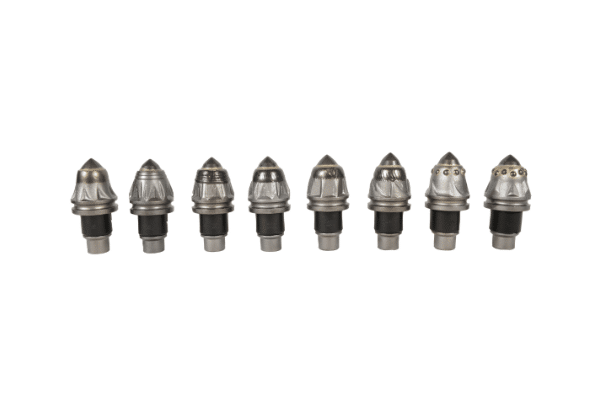
Some have sharper tips for faster penetration. Some have stronger carbide tips for hard rock drilling. Buyers should choose based on actual job conditions.
How Do Bullet Teeth Affect Drilling Efficiency?
Many people think machine power determines drilling speed. That is only part of the story.
Bullet teeth directly affect drilling efficiency because they control cutting speed, penetration force, and wear resistance. Better teeth reduce downtime and improve daily output.
Faster Penetration
Sharp and durable teeth cut faster. This reduces drilling time per hole.
This matters a lot in large-scale piling projects.
Lower Equipment Stress
Worn teeth create extra resistance. The rig needs more force to continue drilling.
This increases stress on:
- Rotary drive
- Kelly bar
- Hydraulic systems
- Tool body
Good teeth help reduce unnecessary machine load.
Reduced Replacement Frequency
Cheap teeth may save money at the start. But they often wear quickly.
I have seen projects where low-cost teeth caused repeated downtime. That hidden cost became much higher than the initial savings.
What Materials Are Best for Bullet Teeth?
Material quality decides durability.
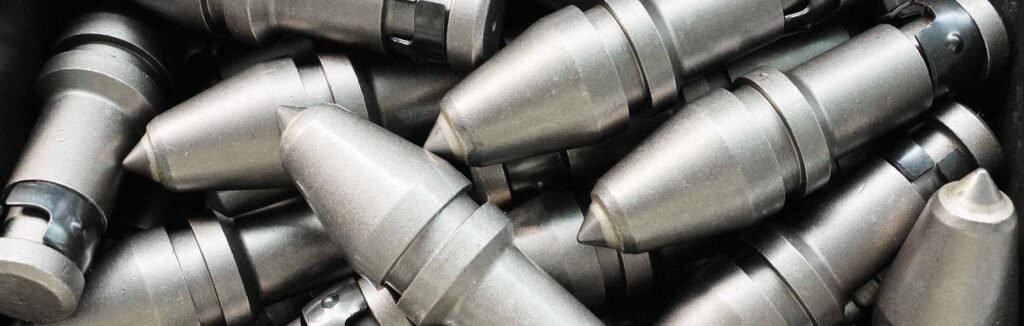
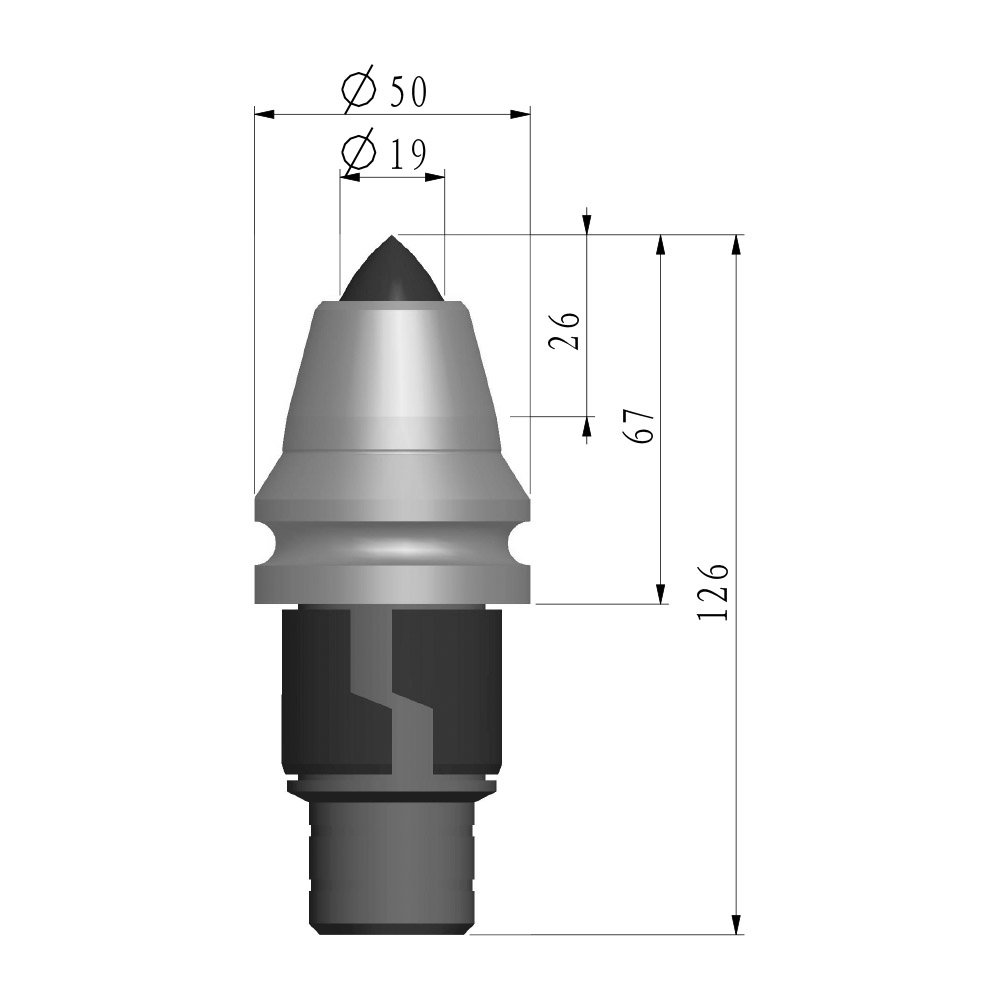
The best bullet teeth usually combine alloy steel bodies with tungsten carbide tips. This combination delivers strong impact resistance and excellent wear resistance in harsh drilling conditions.
Alloy Steel Body
The body needs high strength. It must handle heavy impact during drilling.
Strong steel improves toughness and reduces cracking risk.
Tungsten Carbide Tip
This is the cutting point.
Tungsten carbide gives excellent hardness and wear resistance. It performs very well in abrasive ground.
Material Comparison
| Material | Strength | Wear Resistance | Best Use |
|---|---|---|---|
| Standard Steel | Medium | Low | Soft soil |
| Hardened Steel | High | Medium | Mixed ground |
| Tungsten Carbide | Very High | Very High | Rock drilling |
Material selection should match project demands.
How Do You Choose the Right Bullet Teeth?
Choosing the wrong tooth creates problems fast.
The right bullet teeth depend on ground conditions, drilling tools, wear expectations, and project budget. Matching tooth design to drilling conditions improves both performance and cost efficiency.
Check Ground Conditions First
This should always come first.
Ask these questions:
- Is the ground soft soil?
- Is there dense clay?
- Is gravel present?
- Is hard rock involved?
The answers help determine the best tooth type.
Match the Tool Type
Different tools need different teeth designs.
A core barrel tooth for hard rock is very different from an auger tooth for soft soil.
Balance Cost and Performance
Price matters. But value matters more.
A slightly more expensive tooth may last much longer.
That can lower total project cost.
What Problems Come from Poor Quality Bullet Teeth?
Poor quality often creates chain problems.
Low-quality bullet teeth can wear quickly, break during drilling, reduce efficiency, and increase maintenance costs. These issues often cause expensive project delays.
Fast Wear
Low-grade materials wear quickly in abrasive ground.
This reduces drilling speed fast.
Tooth Breakage
Weak teeth may crack under heavy impact.
Broken teeth interrupt operations and increase replacement costs.
Poor Cutting Performance
Bad tooth geometry reduces penetration efficiency.
The drilling tool struggles to cut effectively.
Common Problems Table
| Problem | Main Cause | Impact |
|---|---|---|
| Fast wear | Poor material | Higher replacement cost |
| Breakage | Weak structure | Downtime |
| Slow drilling | Poor design | Lower productivity |
Quality matters more than many buyers expect.
How Can Good Bullet Teeth Reduce Total Project Cost?
Many buyers only compare purchase price. That view is incomplete.
High-quality bullet teeth reduce total project cost by improving drilling speed, reducing downtime, lowering machine wear, and minimizing replacement frequency.
Lower Downtime
Every replacement takes time.
Less downtime means better productivity.
Better Productivity
Faster drilling increases project output.
This improves project profitability.
Longer Service Life
Durable teeth stay effective longer.
This reduces replacement frequency and maintenance work.
Cost Comparison
| Factor | Low-Quality Teeth | High-Quality Teeth |
|---|---|---|
| Initial Cost | Lower | Higher |
| Wear Rate | High | Low |
| Replacement Frequency | Frequent | Low |
| Total Cost | Higher over time | Lower over time |
This is why experienced buyers often focus on long-term value.
Conclusion
Bullet teeth may be small, but they strongly affect drilling speed, tool life, and project cost. Choosing the right quality makes every drilling project more efficient and profitable.