Drilling delays cost money. Worn teeth slow penetration. Poor-quality teeth also increase downtime and repair costs.
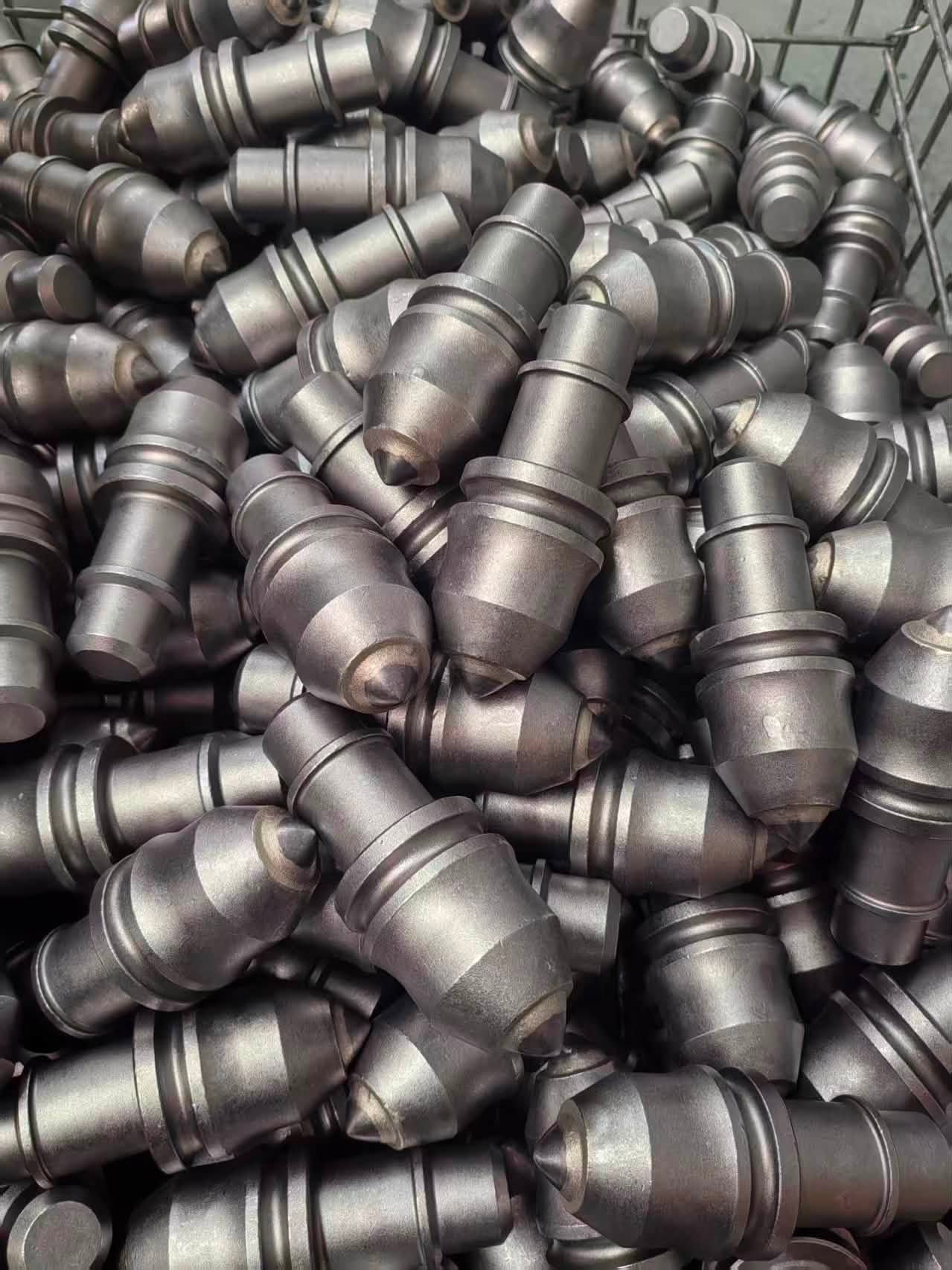
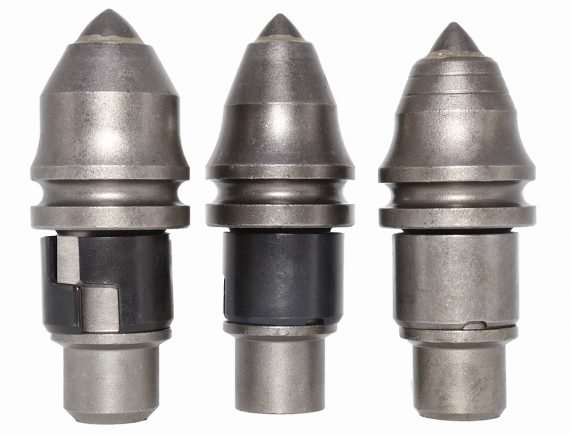
B47K19 bullet teeth are carbide-tipped cutting tools used in drilling buckets, augers, and core barrels for breaking rock, gravel, and dense ground. Good B47K19 teeth improve drilling speed, reduce wear, and lower overall project costs.
I have seen many drilling projects focus only on rigs and forget the small parts that actually do the cutting. In many cases, the tooth decides whether drilling stays efficient or becomes expensive.
What Is B47K19 Bullet Teeth and Where Is It Used?
Many buyers know the model number. But not everyone understands where this tooth performs best.
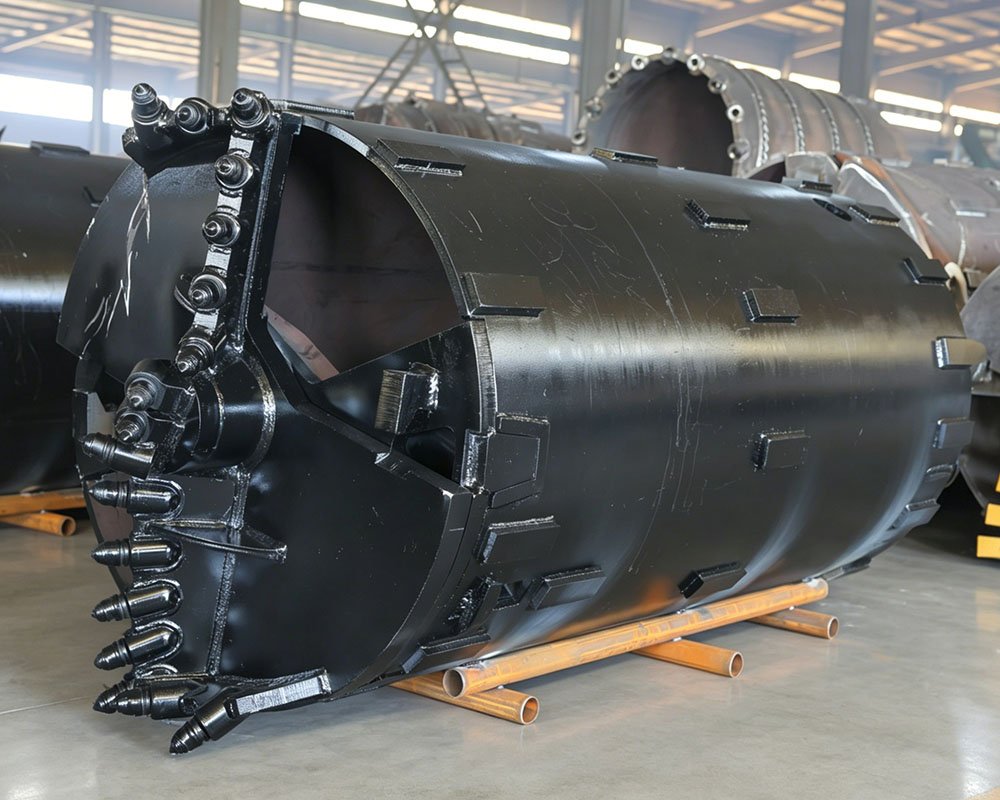
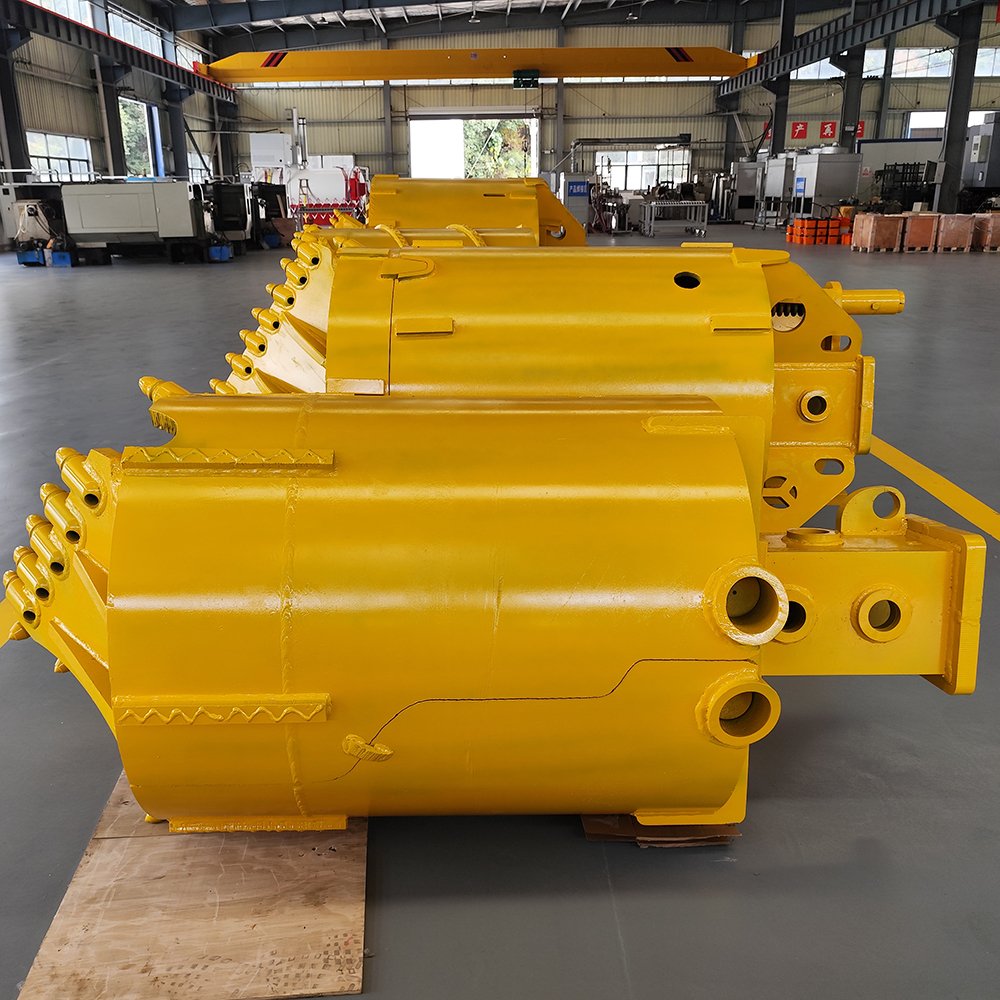
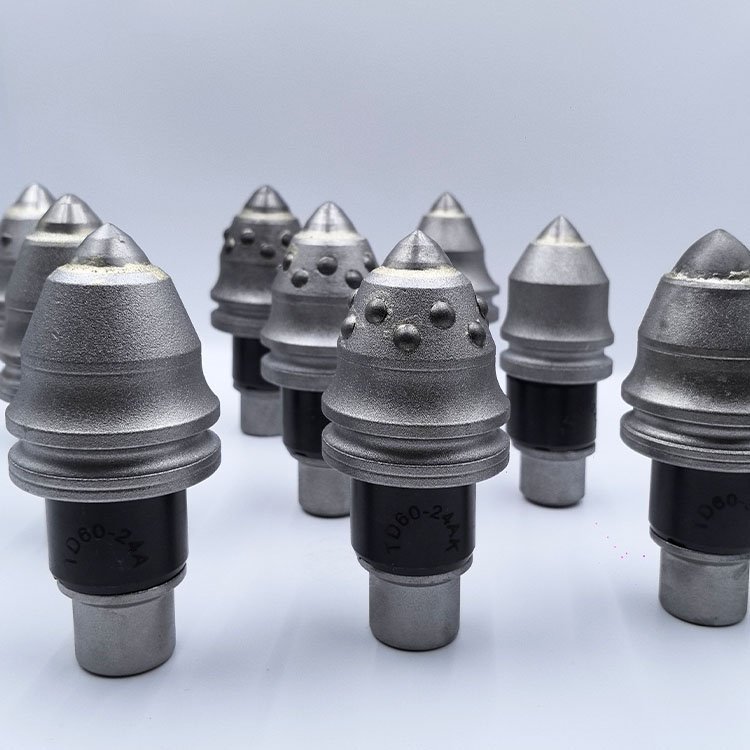
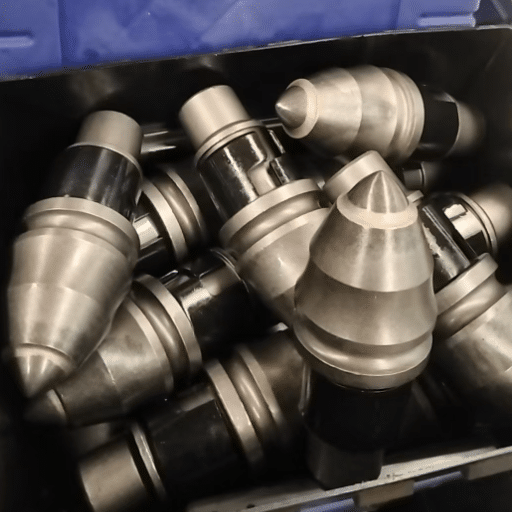
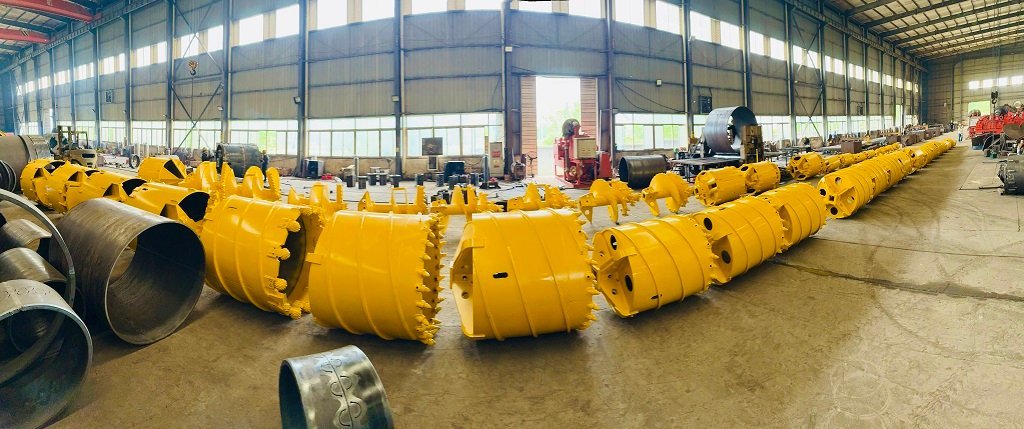
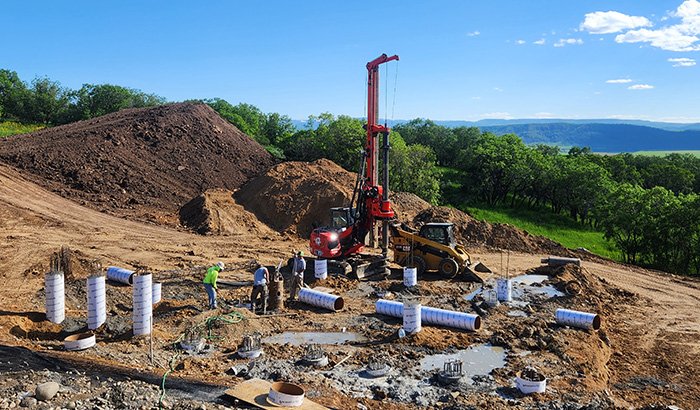
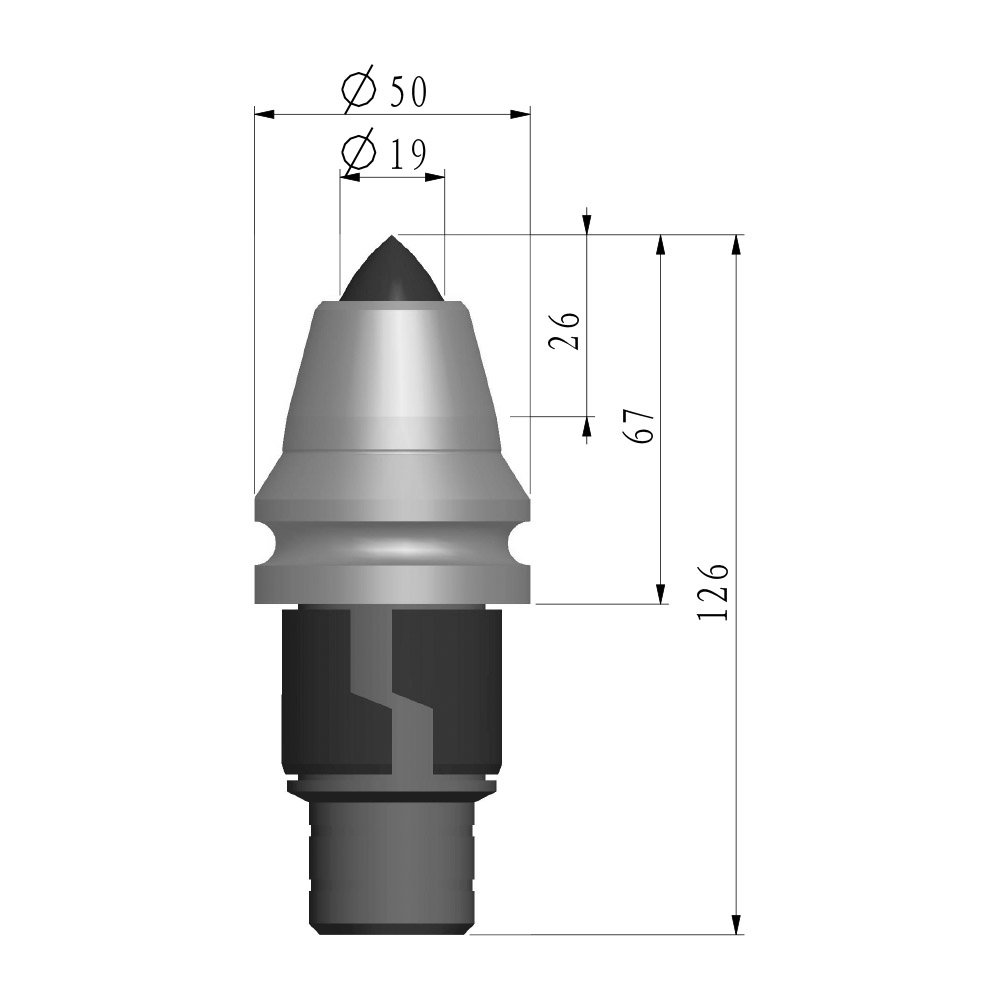
B47K19 is a round shank bullet tooth designed for rotary foundation drilling. It is mainly used in drilling buckets, rock augers, and core barrels for medium to hard rock conditions.
Basic Structure of B47K19
B47K19 usually has three main parts:
- Tungsten carbide tip
- Alloy steel body
- Retaining clip or sleeve
The carbide tip handles wear. The steel body absorbs impact.
Key Specifications
| Item | Specification |
|---|---|
| Model | B47K19 |
| Tooth Type | Round Shank Bullet Tooth |
| Application | Foundation Drilling |
| Main Material | Tungsten Carbide + Alloy Steel |
| Suitable Ground | Gravel, Dense Soil, Medium-Hard Rock |
Common Applications
I often see B47K19 used in:
- Rotary drilling rigs
- Piling foundation projects
- Rock drilling buckets
- Core barrel systems
- Auger drilling tools
It performs well in jobs where both penetration and wear resistance matter.
Why Does B47K19 Matter in Drilling Performance?
A drilling rig is only as good as its cutting system.
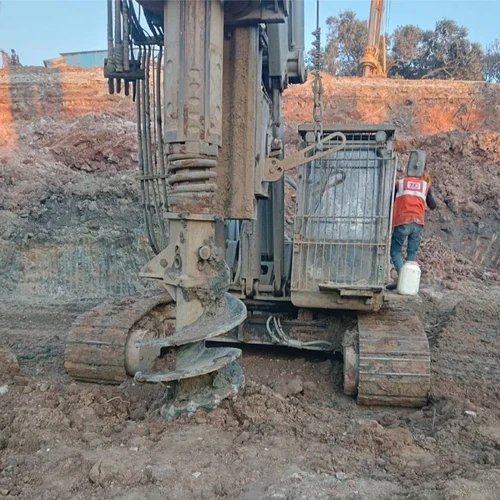
B47K19 directly affects drilling speed, torque load, and tool life. A better tooth reduces resistance and improves cutting efficiency.
Drilling Speed
Sharp carbide tips cut faster.
When teeth become worn, penetration drops. The rig needs more force. Fuel consumption also rises.
Tool Life
Longer tooth life means:
- Less replacement
- Lower labor cost
- Less downtime
This matters a lot on large projects.
Rig Protection
Poor teeth damage more than production speed.
They can increase wear on:
- Tooth holders
- Auger flights
- Buckets
- Rig power systems
I always tell buyers that cheap teeth often become expensive later.
What Materials Make High-Quality B47K19 Bullet Teeth?
Not all B47K19 teeth are made the same.
The quality of carbide and steel determines impact resistance, wear life, and drilling efficiency. Better materials deliver longer service life.
Tungsten Carbide Quality
The tip does most of the cutting.
Good carbide offers:
- High hardness
- Strong wear resistance
- Better impact resistance
Poor carbide chips easily.
Steel Body Quality
The steel body handles shock.
Common materials include:
| Material | Performance |
|---|---|
| 42CrMo | High strength |
| 35MnB | Good toughness |
| Alloy Steel | Balanced durability |
Good heat treatment also matters.
Welding Quality
This part is often overlooked.
Weak welding leads to:
- Tip loss
- Cracking
- Short service life
Even good material fails with poor manufacturing.
How Do I Choose the Right B47K19 Supplier?
Many suppliers sell B47K19. Quality varies a lot.
A good supplier offers stable quality, strict inspection, reliable delivery, and technical support. Price matters, but consistency matters more.
Check Production Capability
I usually look at:
- Factory scale
- Monthly output
- Delivery speed
- Inventory capacity
Reliable supply matters for urgent projects.
Check Quality Control
A supplier should inspect:
- Raw material
- Carbide quality
- Hardness
- Welding strength
- Finished product dimensions
Compare More Than Price
Many buyers compare only price.
That creates problems.
| Cheap Teeth | Quality Teeth |
|---|---|
| Lower initial cost | Higher initial cost |
| Short life | Longer life |
| Frequent replacement | Less downtime |
| Higher total cost | Lower total cost |
I prefer calculating cost per drilled meter, not cost per tooth.
How Long Does B47K19 Bullet Teeth Last?
This is one of the most common buyer questions.
The lifespan of B47K19 depends on rock hardness, drilling conditions, machine setup, and tooth quality. There is no fixed service life.
Factors That Affect Lifespan
The biggest factors are:
- Ground condition
- Drilling pressure
- Rotation speed
- Operator skill
- Tooth quality
Hard rock wears teeth much faster.
Typical Lifespan by Ground Type
| Ground Type | Tooth Life |
|---|---|
| Dense Soil | Long |
| Gravel | Medium |
| Weathered Rock | Medium |
| Hard Rock | Short |
Regular inspection helps reduce unexpected failures.
Warning Signs
Replace teeth if you see:
- Worn carbide tip
- Cracked body
- Broken tip
- Reduced drilling speed
Waiting too long usually damages holders too.
What Problems Can Poor B47K19 Bullet Teeth Cause?
Small components can create big problems.
Poor-quality B47K19 teeth can reduce productivity, increase machine stress, and raise maintenance costs across the whole drilling system.
Lower Efficiency
Worn or poor teeth reduce penetration.
The drilling cycle becomes slower.
Higher Costs
Hidden costs include:
- Downtime
- Labor
- Repairs
- Extra fuel
These costs grow fast.
Poor Hole Quality
Bad teeth can cause:
- Rough hole walls
- Poor cutting accuracy
- Reduced drilling consistency
This affects project quality.
Conclusion
B47K19 bullet teeth may look small, but they play a critical role in drilling efficiency, tool life, and project cost. Choosing the right teeth always creates better long-term value.